

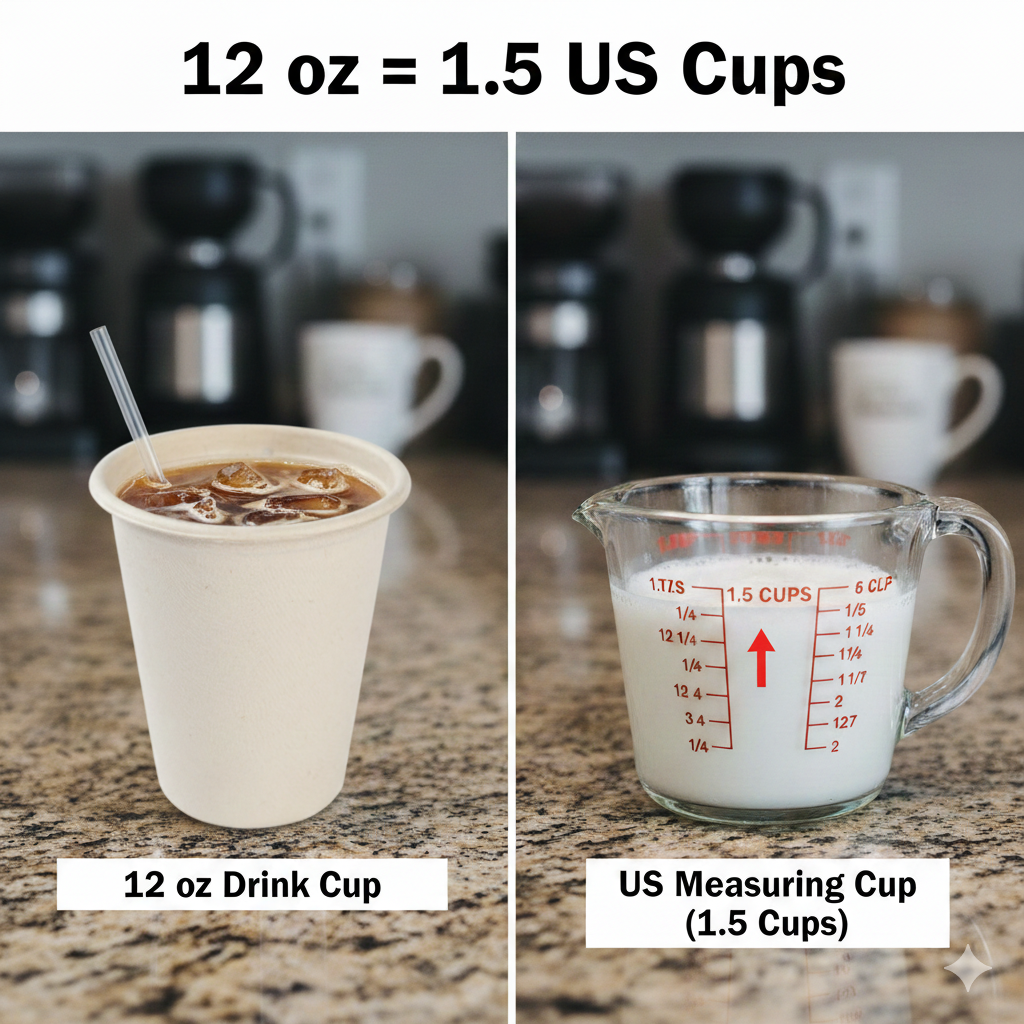
Struggling to convert 12 oz to cups for recipes or drink sizes? You’re not alone.
12 fluid ounces equal 1.5 US cups. But watch out—weight ounces are different.
Not all cups are created equal—read on to avoid costly mistakes in your recipes or café orders.
How Many Cups Is 12 oz?
Feeling lost in conversions while reading recipes or preparing drinks? This clears it up fast.
12 fl oz equals 1.5 US cups. Divide fluid ounces by 8 to convert to US cups.
The Simple Math Behind Fluid Ounce Conversions
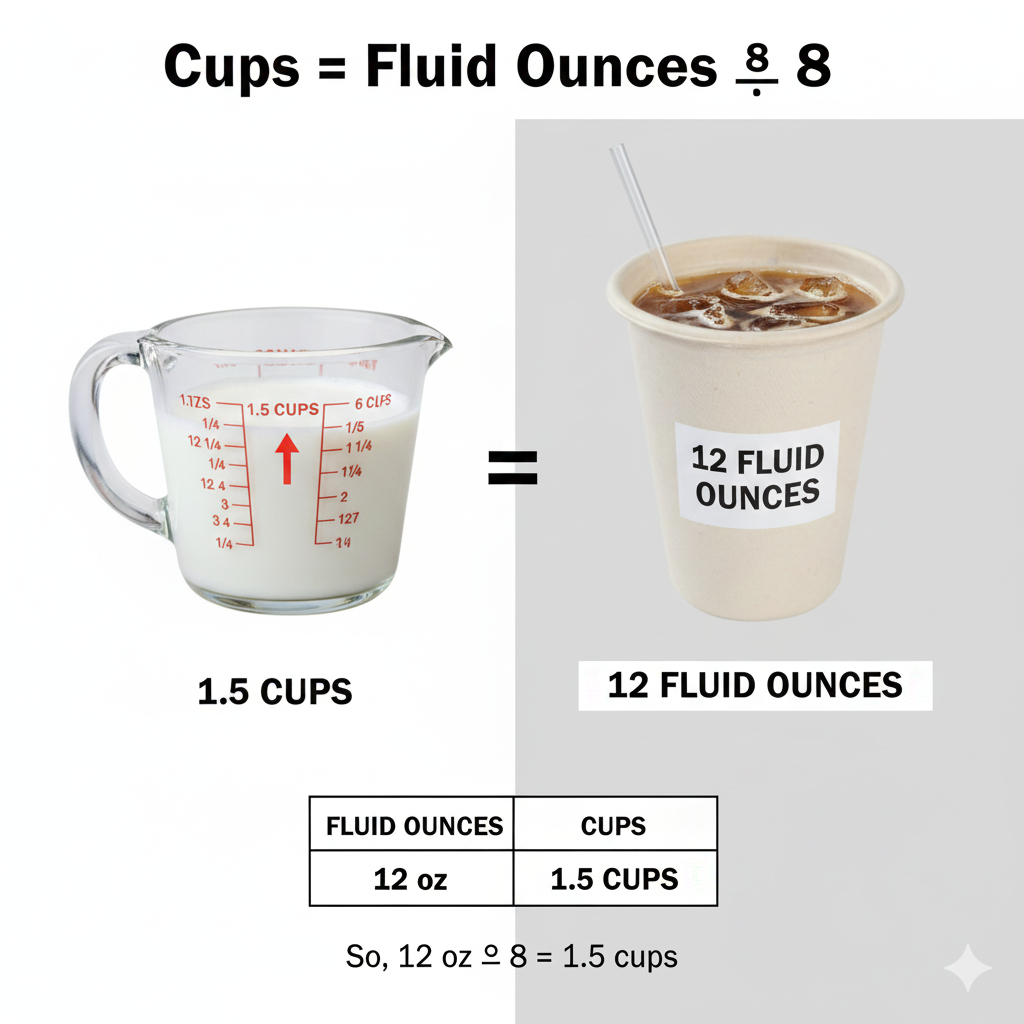
Many recipe books and drink menus use fluid ounces, especially in the United States. To convert fluid ounces to cups, we follow this basic formula:
Cups = Fluid Ounces ÷ 8
So:
| Fluid Ounces | Cups |
|---|---|
| 12 oz | 1.5 |
This conversion is true for liquid ingredients like water, milk, or juice—not dry goods.
When you see "12 oz" in a drink context—like on a coffee cup, soda can, or juice bottle—it almost always means 12 fluid ounces. In the US, that equals 1.5 cups.
This clear understanding helps prevent under- or over-portioning in both home kitchens and food service businesses.
US Cups, Metric Cups & Milliliters – What’s the Difference?
Confused by ml, cups, and oz when reading recipes or ordering supplies? You’re not alone.
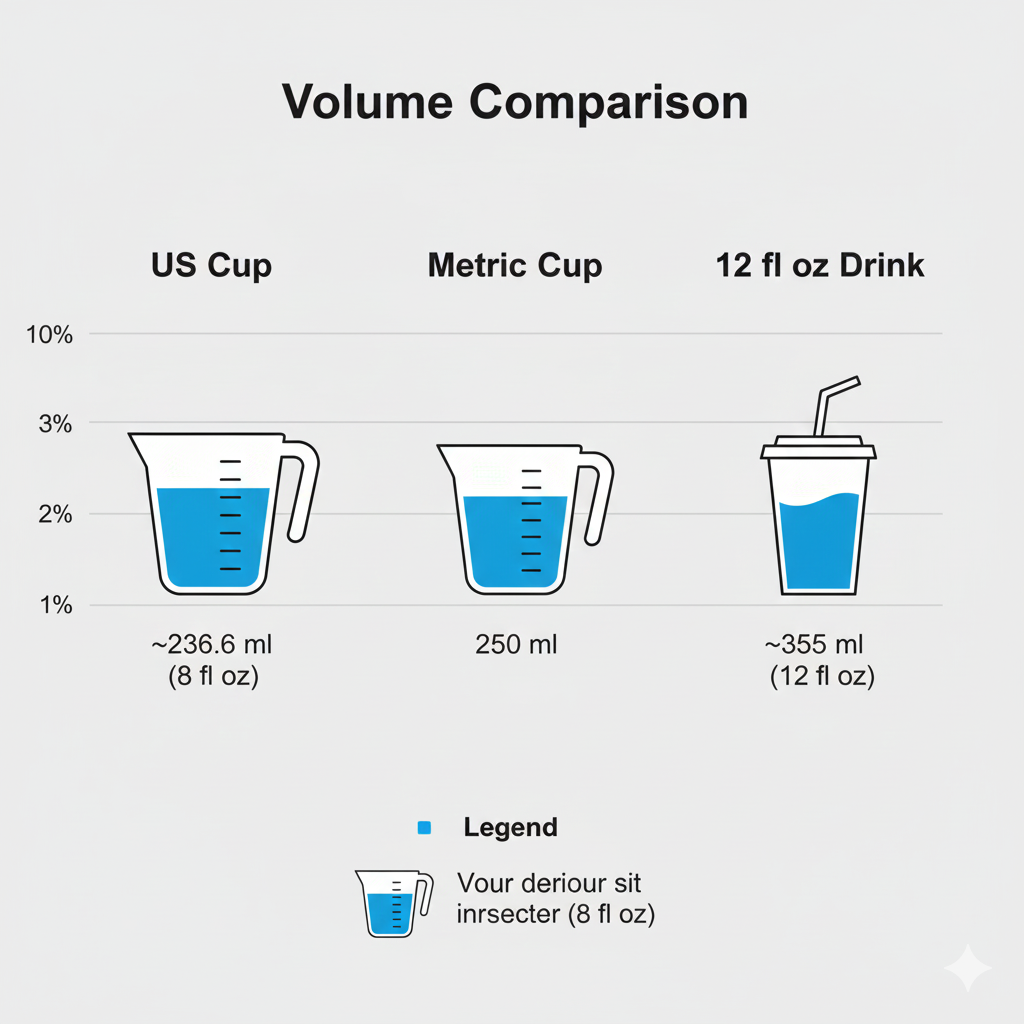
12 fl oz is approximately 355 ml. That equals 1.5 US cups or 1.42 metric cups.
Global Differences in Cup Measurements
When you’re cooking or running a food business across borders, cup sizes vary. Here’s how:
| Cup Type | Volume (ml) |
|---|---|
| US Cup | ~236.6 ml |
| Metric Cup | 250 ml |
So when you convert 12 fl oz (US):
- In milliliters: 12 × 29.5735 ≈ 355 ml
- In US cups: 355 ÷ 236.6 ≈ 1.5 cups
- In metric cups: 355 ÷ 250 ≈ 1.42 cups
Understanding this difference is key for recipe consistency and sourcing the right packaging sizes—especially if your kitchen, café, or supplier network spans multiple countries.
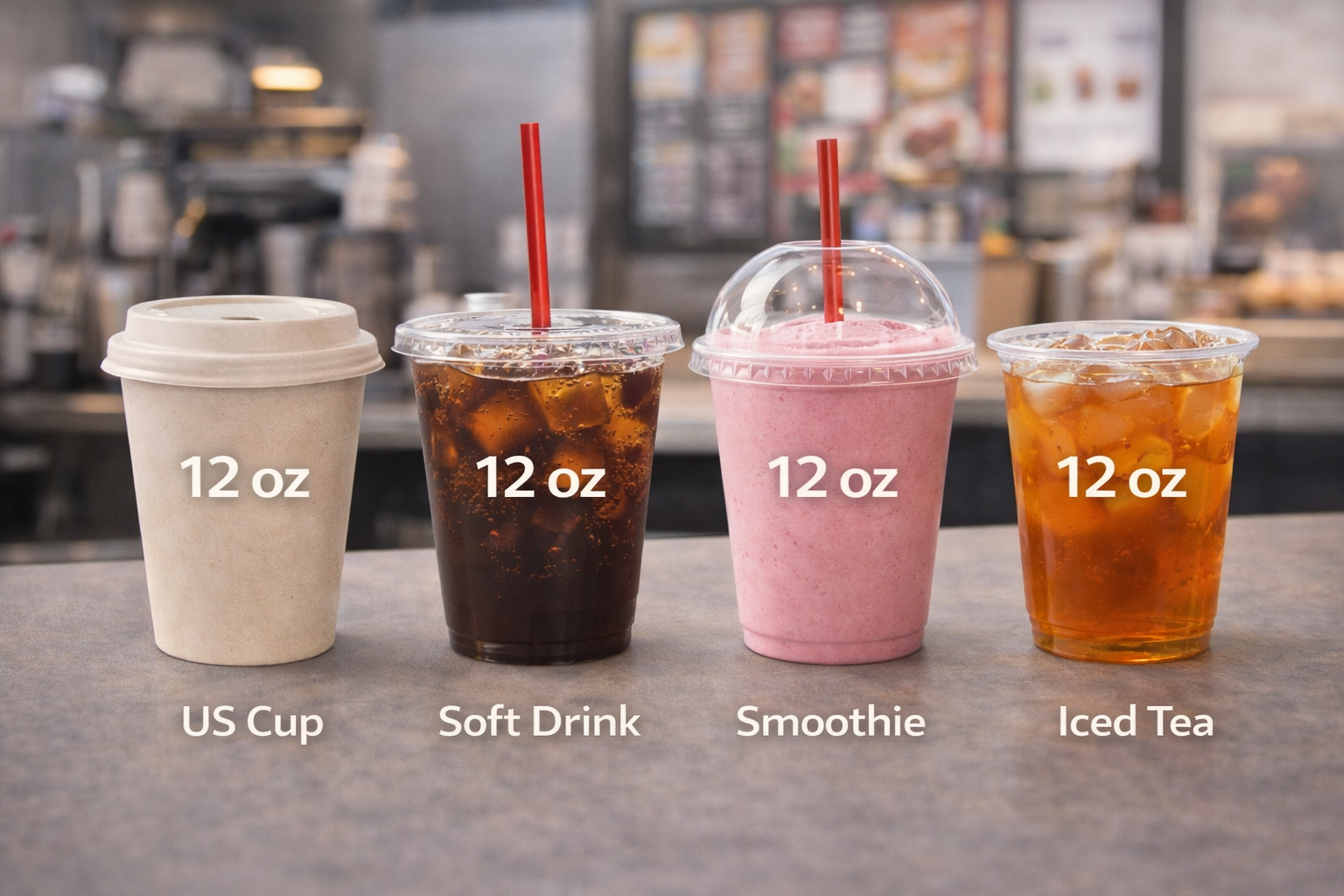
12 oz in Real Life – What Size Drink Is It?
Not sure how big 12 oz actually is when ordering drinks or choosing cups? Let’s visualize it.
A 12 oz drink is your standard medium coffee or soft drink—common in cafés and fast food chains.
Why 12 oz Is the “Goldilocks” Drink Size
In cafés and restaurants, the 12 oz cup is everywhere. It’s not too small, not too big—it’s just right. It’s a common size for:
- Drip coffee or Americano
- Iced tea or soft drinks
- Smoothies or lemonade
- Medium takeaway drinks
This size balances portion control and value. That’s why many cafés make it their regular or default size.
For food businesses, understanding exactly what “12 oz” means in cups or ml is important. It helps:
- Choose the right disposable cup sizes
- Price drinks accurately
- Standardize portions across multiple locations
- Reduce customer complaints due to inconsistent servings
When using 12 oz disposable cups, especially for eco-conscious businesses, knowing this standard size allows for better stock planning and smooth customer service.
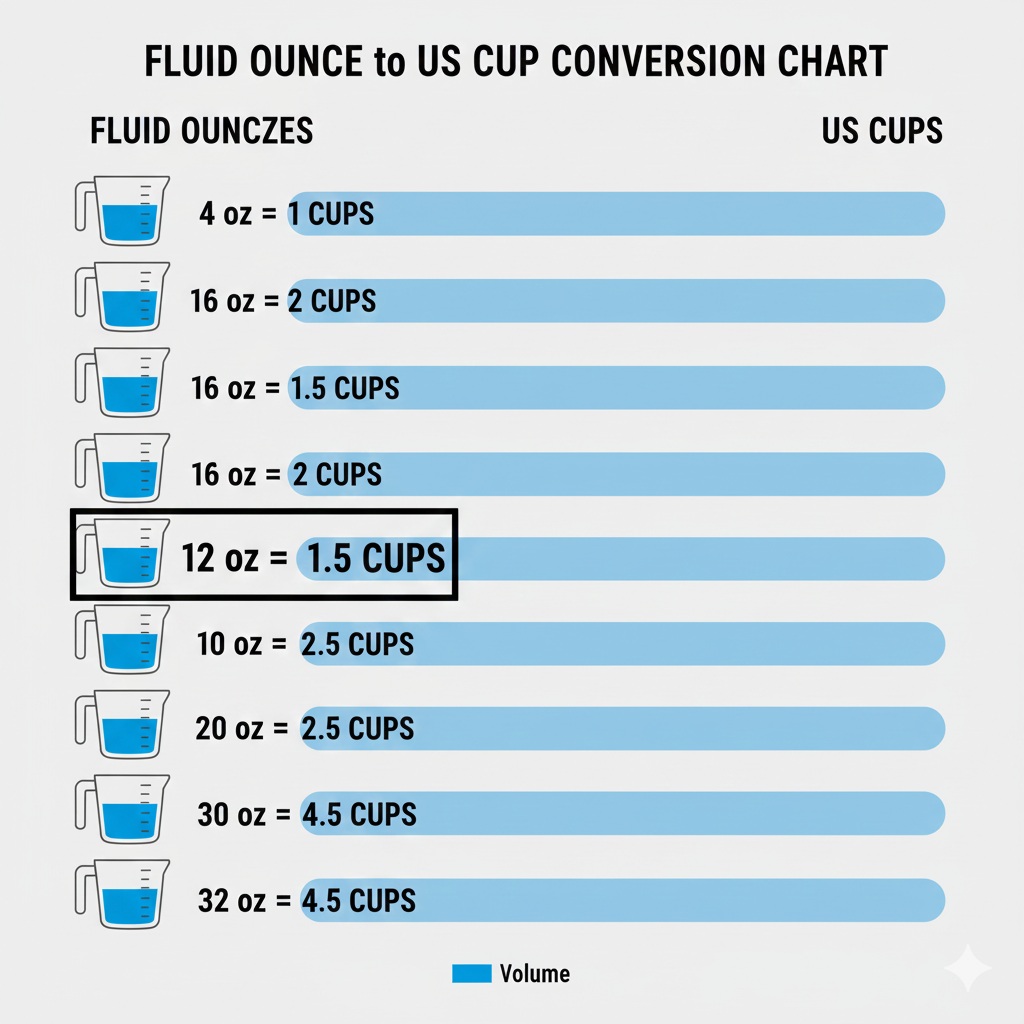
Oz to Cups Conversion Chart (4 to 32 oz)
Tired of googling basic conversions while cooking or planning inventory? Here’s your cheat sheet.
Use this chart to quickly convert common fluid ounce amounts into US cups.
Keep This Table Handy for Instant Clarity
Here’s a simple reference chart you can use in the kitchen, during sourcing, or while designing a menu:
| Fluid Ounces | US Cups |
|---|---|
| 4 oz | 0.5 |
| 8 oz | 1 |
| 10 oz | 1.25 |
| 12 oz | 1.5 |
| 14 oz | 1.75 |
| 16 oz | 2 |
| 18 oz | 2.25 |
| 20 oz | 2.5 |
| 24 oz | 3 |
| 32 oz | 4 |
To clarify a common misconception:
- Is 4 cups 12 oz? → No.
- 4 cups = 32 oz
- 12 oz = 1.5 cups
This kind of confusion can lead to wasted ingredients or wrong product choices—especially if you’re sourcing drink cups or designing pre-filled beverage lines.
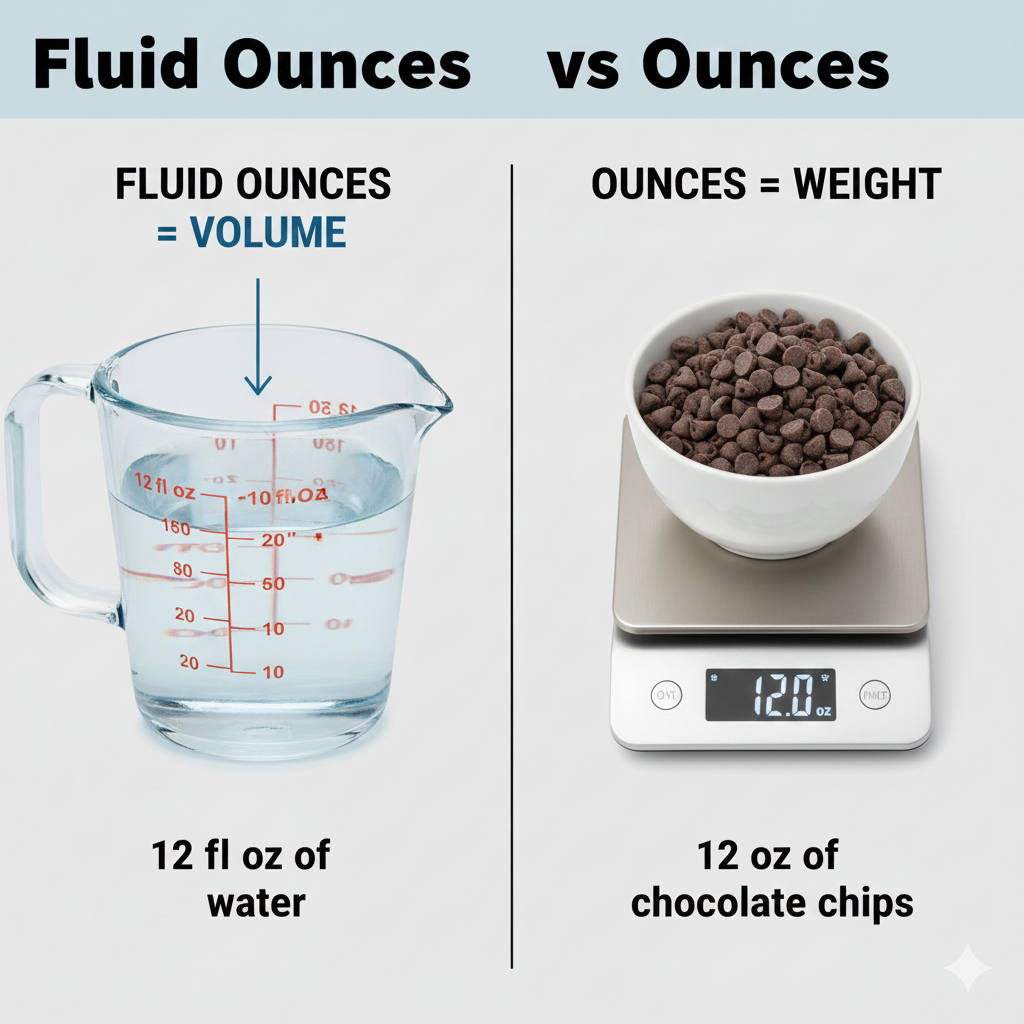
Fluid Ounces vs Weight Ounces – What’s the Difference?
Thinking 12 oz always means the same thing? It doesn’t. Here’s what you need to know.
Fluid ounces measure volume. Regular ounces measure weight. They are not interchangeable.
Why You Must Know Which "Ounce" You’re Using
This is where many businesses and home bakers go wrong. A 12 oz cup of coffee is not the same as a 12 oz bag of pasta.
| Type | What It Measures | Unit Symbol |
|---|---|---|
| Fluid Ounces | Volume (for liquids) | fl oz |
| Regular Ounces | Weight (for solids) | oz |
For example:
- 12 fl oz of water = 1.5 cups
- 12 oz of chocolate chips = ~2 cups
- 12 oz of dry pasta = ~3 to 3.5 cups
Always check the label. If it’s a drink, it’s almost always fluid ounces. If it’s food or ingredients, it’s usually weight. Ignoring this leads to recipe failures or inaccurate cost calculations.
Practical Examples – What Does 12 oz Equal in Cups?
Guessing volume by weight? Here’s how 12 oz actually looks across different foods and drinks.
12 oz of water = 1.5 cups, but 12 oz of chocolate chips = ~2 cups. Know the difference.
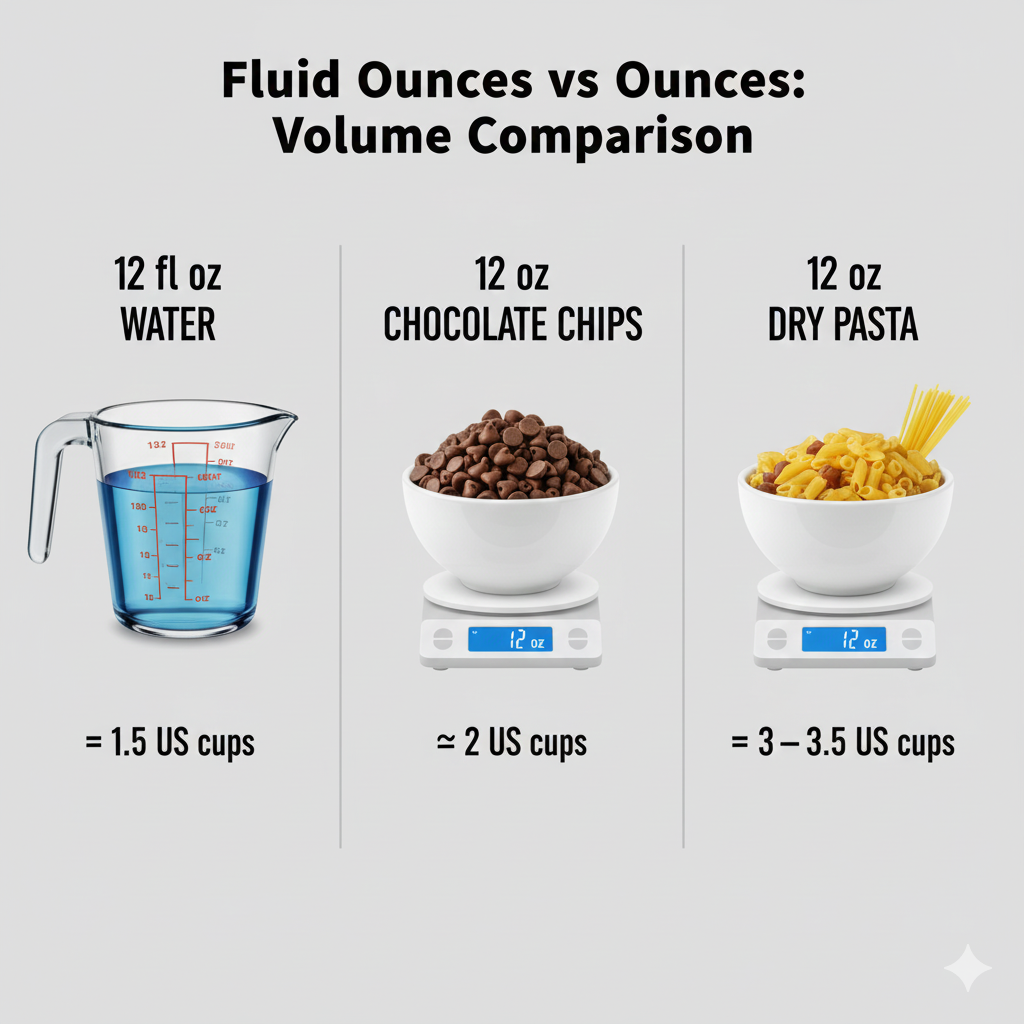
How Many Cups Are in 12 fl Ounces of Water?
Water is the gold standard for fluid ounce measurement. So:
- 12 fl oz of water = 1.5 US cups
- This rule applies to most liquids (juice, soda, broth, etc.)
How Many Cups Are in a 12 oz Package of Chocolate Chips?
This 12 oz is by weight, not fluid. Based on standard conversions:
- 1 cup of chocolate chips ≈ 6 oz by weight
- So, 12 oz = 2 cups (approx.)
Chip size and brand might vary the volume slightly, but this is a trusted rule in baking.
How Many Cups Is 12 oz of Dry Pasta?
Again, this is a weight measurement. Volume depends on shape.
- Short pasta (penne, elbow): ~3–3.5 cups
- Long pasta (spaghetti, linguine): less volume in cups
Professional kitchens measure pasta by weight. But for home cooks, estimating with cups is okay if you know the approximate ranges.
From Home Kitchen to Café – Why 12 oz Conversions Matter for Food Businesses
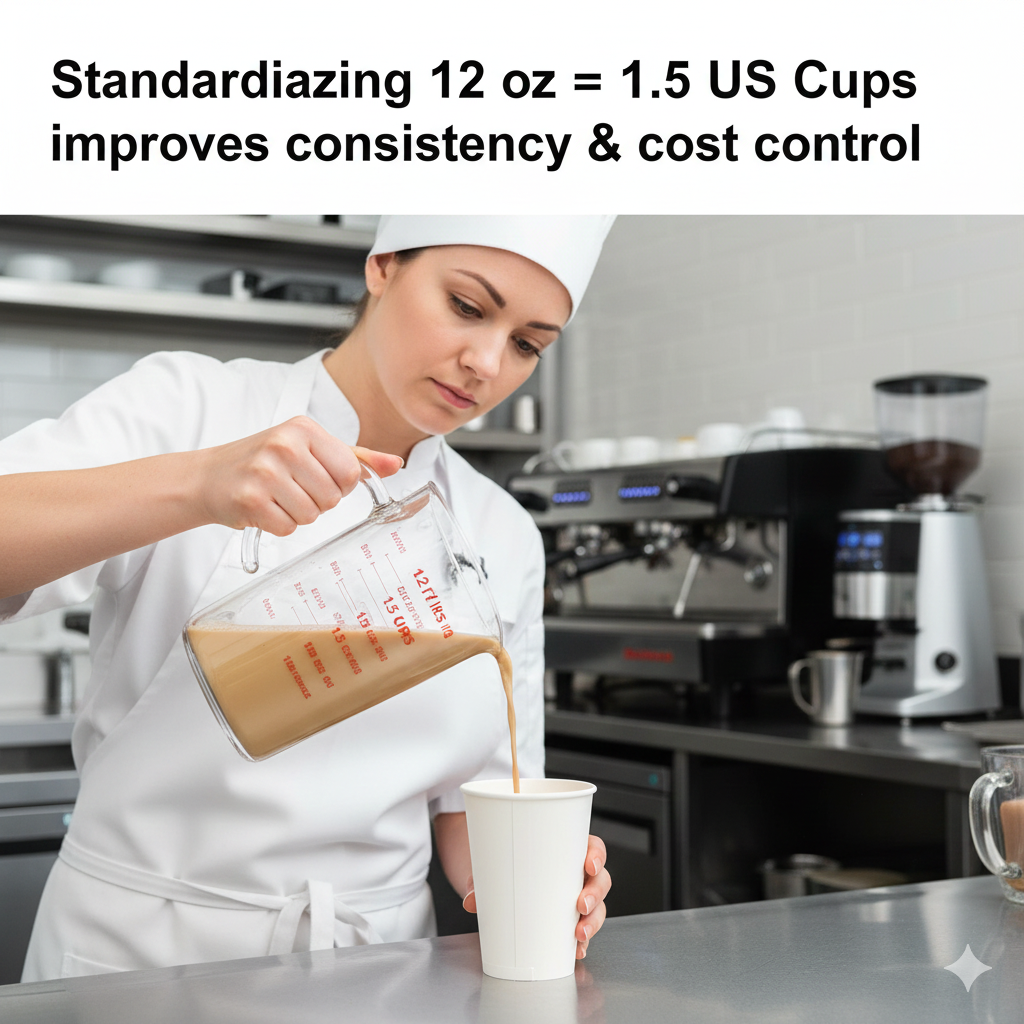
Losing money due to inconsistent portion sizes or ingredient waste? These conversions help stop that.
12 oz cup sizes and conversions help food businesses standardize servings, costs, and sourcing.
How Knowing 12 oz Helps You Run a Smarter Operation
In a busy café or catering kitchen, precision matters. Knowing 12 oz = 1.5 US cups or ≈ 355 ml helps you:
- Avoid overfilling cups or under-serving guests
- Price items based on portion size
- Calculate cost per ounce and profit per serving
- Choose the right eco-friendly cup sizes to match recipes
This isn’t just useful for drinks. Think about pre-packed yogurt, soup, iced lattes, smoothies—12 oz is a standard. By aligning cup sizes with actual ounce measurements, you streamline operations and reduce guesswork across your business.
Choosing the Right 12 oz Cup – Material Options
Worried about plastic bans or leaking cups? Your cup material matters more than you think.
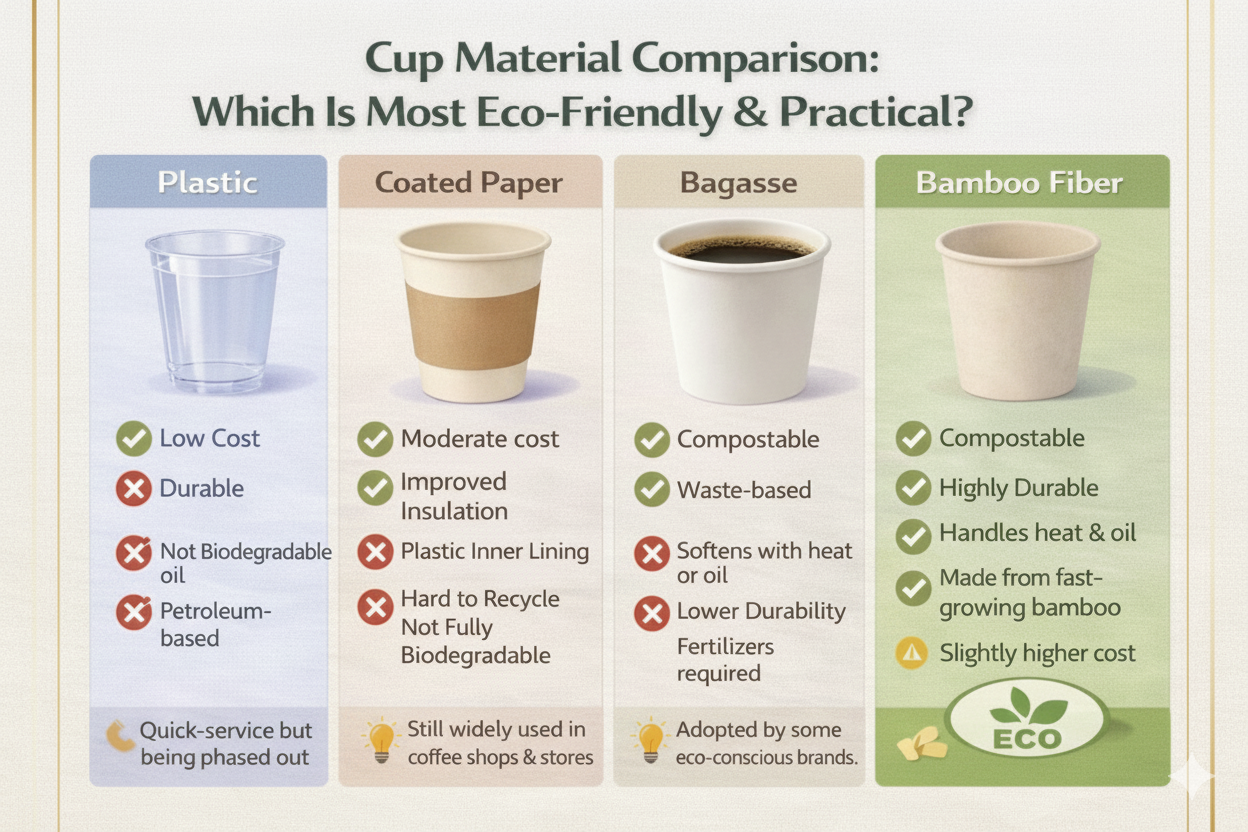
Bamboo fiber 12 oz cups solve eco issues while handling hot and oily drinks without leaks.
Common Materials for 12 oz Cups
| Material | Pros | Cons |
|---|---|---|
| Plastic | Cheap, strong | Not compostable, banned in many regions |
| Coated Paper | Inexpensive | May contain plastic or wax, not compostable |
| Bagasse | Compostable | Can soften or leak with heat/oil |
| Bamboo Fiber | Compostable, strong | Slightly higher cost but better durability |
Why Bamboo Fiber 12 oz Cups Are a Smart Upgrade
PANABAM’s bamboo fiber cups check all the boxes:
- Compostable and plastic-free
- Withstand heat, oil, and long service times
- No double-cupping needed
- Stylish and natural look
- Fully food-safe with international certifications (FDA, BPI, etc.)
For businesses, bamboo fiber means fewer complaints, better reviews, and full compliance with eco laws. It also strengthens your brand’s image in a sustainability-driven market.
8 oz vs 12 oz vs 16 oz vs 20 oz – Which Cup Size Fits Your Menu?
Choosing the wrong cup size can confuse customers or cost more than it should. Get it right.
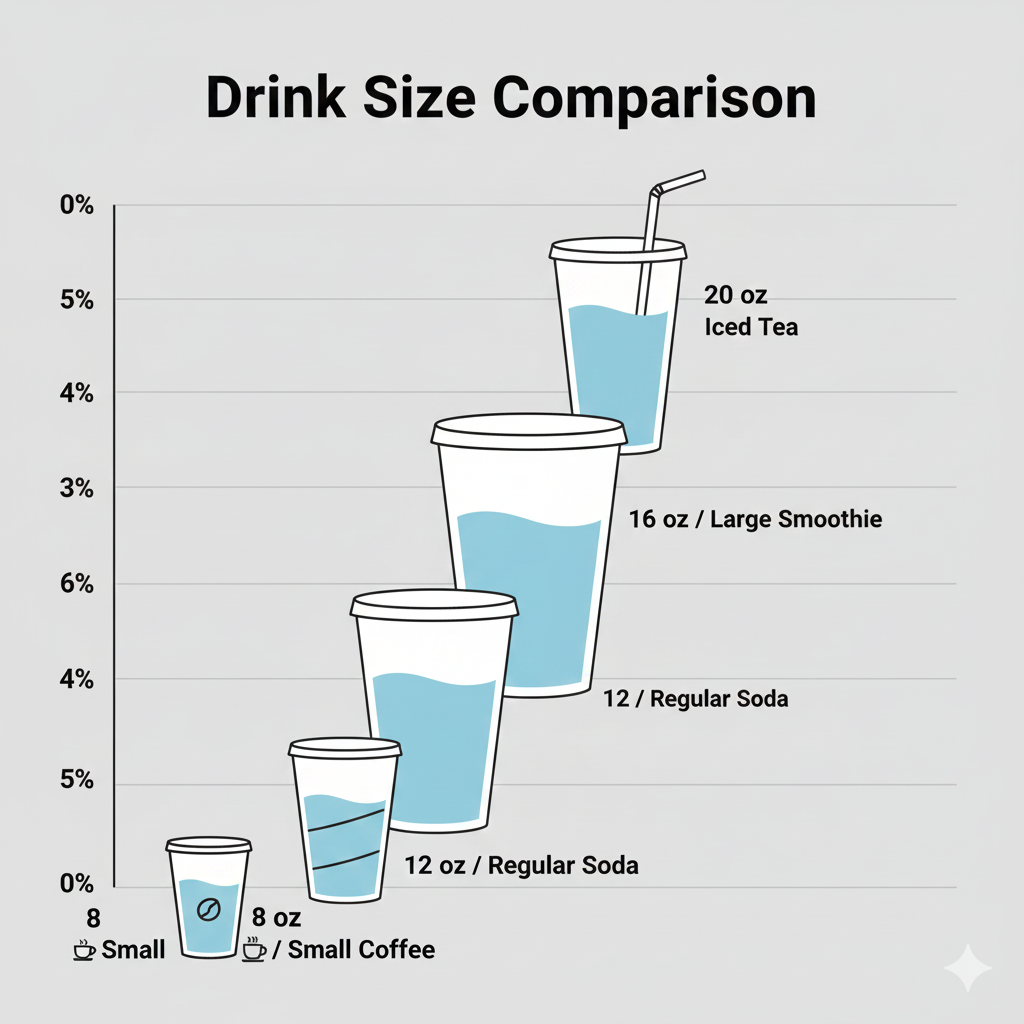
Match drink size with cup volume to streamline service and reduce waste.
Cup Size Comparison for Food Businesses
| Size (oz) | Cups | Milliliters | Common Use |
|---|---|---|---|
| 8 oz | 1 | ~237 ml | Small coffee, espresso drinks |
| 12 oz | 1.5 | ~355 ml | Regular coffee, soft drinks |
| 16 oz | 2 | ~473 ml | Iced drinks, smoothies |
| 20 oz | 2.5 | ~591 ml | Large drinks, sodas |
If you’re moving from plastic to bamboo fiber cups, PANABAM offers all these sizes. You don’t need to change recipes or menu layout—just switch to better, greener materials.
FAQs – 12 oz, Cups and Common Questions
Still confused? Here are the answers to your most Googled questions about 12 oz.
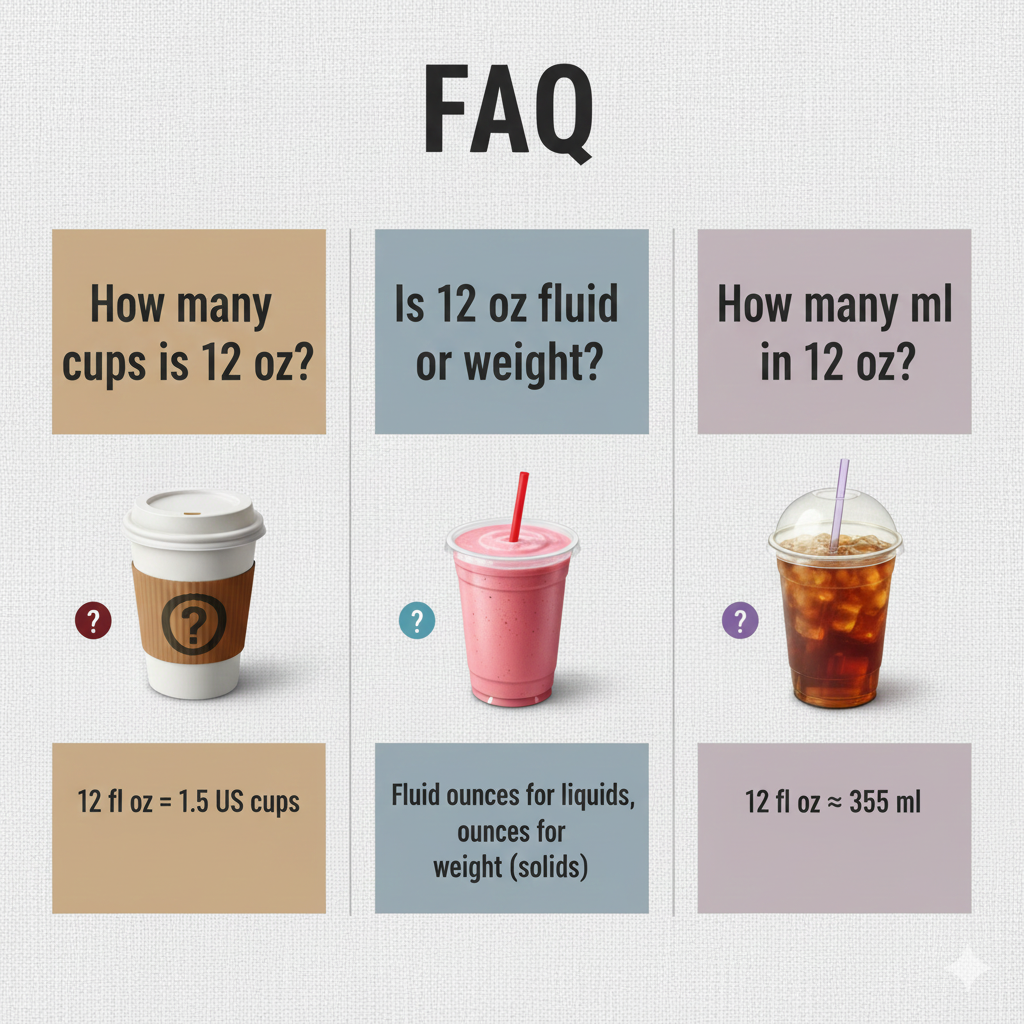
12 oz = 1.5 cups (US). But not all ounces are the same.
Clear Answers to Help You Move Faster
- How many cups are in 12 fl ounces? → 1.5 cups
- Is 4 cups 12 oz? → No, 4 cups = 32 oz
- How many cups are in a 12 oz package of chocolate chips? → ~2 cups
- How many cups is 12 ounces of dry pasta? → ~3–3.5 cups
- How many ml is 12 oz? → ~355 ml
- Is 12 oz a small or medium drink? → Usually medium
- Is 12 oz a cup or a mug? → Usually a medium cup
- How many cups is 12 oz of coffee? → 1.5 US cups
- Are 12 oz bamboo fiber cups safe for hot drinks? → Yes, fully heat-resistant
- Can I switch from 12 oz plastic cups to 12 oz bamboo fiber cups without changing recipes? → Yes, same volume, better material
About PANABAM
PANABAM—a leading Chinese factory specializing in eco-friendly disposable bamboo tableware.
For over 10 years, PANABAM has served clients across the US, Australia, Canada, the UK, Japan, and Europe. Our fully automated bamboo fiber production lines deliver durable, certified, and stylish solutions that meet plastic ban laws and sustainable packaging needs.
Looking to replace your 12 oz plastic cups? Contact PANABAM to source premium bamboo fiber cups and matching tableware at wholesale pricing.
Conclusion
12 oz equals 1.5 US cups—knowing this simplifies sourcing, recipes, and sustainable cup choices.