



Many food businesses face increasing pressure from plastic bans and food safety concerns. This raises a common question: are bamboo fiber plates actually safe?
Bamboo fiber plates are generally safe when made from 100% pure bamboo pulp without melamine or PFAS and tested under recognized food safety standards.
However, not all products labeled as “bamboo” meet this definition. So understanding material differences is essential before making a decision.
What Are Bamboo Fiber Plates? Are All Bamboo Products the Same?
Many products on the market are labeled as bamboo. However, their actual composition can vary significantly.
Bamboo fiber plates are safe for food contact when made from pure plant fiber pulp, while composite materials may introduce safety risks.
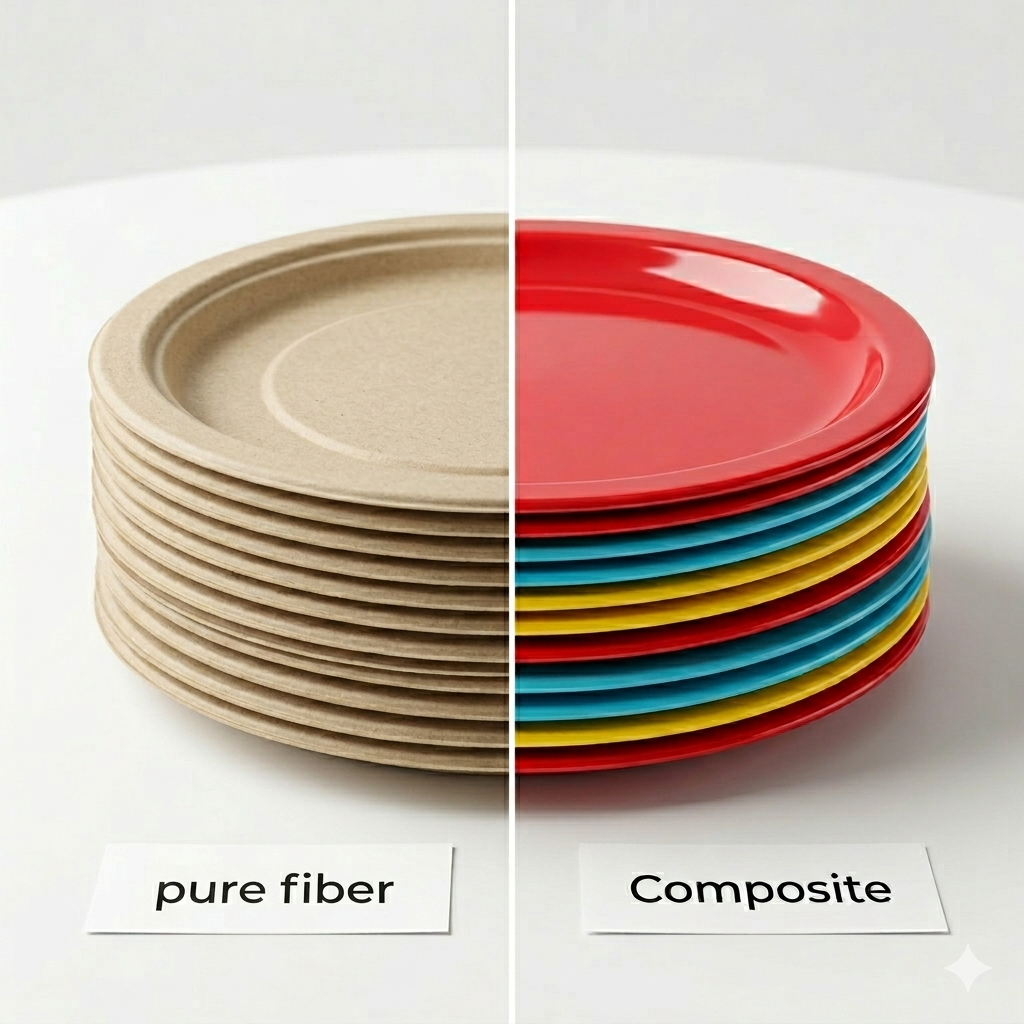
Bamboo fiber plates are typically produced by processing natural bamboo into pulp, then molding it under heat and pressure using plant-based binders. This process creates a material that is both durable and biodegradable.
Pure Bamboo Fiber Pulp
In most cases, pure bamboo pulp products contain no synthetic resins. They rely on natural fiber bonding. As a result, they are generally compostable and suitable for food contact when properly tested.
Bamboo Composite Materials
However, some products use bamboo powder mixed with melamine-formaldehyde resin. These materials are often more rigid and glossy. Yet their safety depends on how they are manufactured and tested.
In certain conditions, especially with hot or acidic food, these composites may release substances that exceed regulatory limits.
Material Comparison
| Type | Composition | Safety Level | Key Concern | Compostability |
|---|---|---|---|---|
| Pure Bamboo Fiber | Natural pulp | High | Minimal | Yes |
| Bamboo Composite | Resin mix | Variable | Chemical migration | No |
| Bagasse | Sugarcane fiber | Medium | Coating dependency | Yes |
| Paper | Fiber + coating | Medium | PFAS/plastic | Limited |
Key Insight
So the safety of bamboo plates does not depend on the word “bamboo.” Instead, it depends on the actual material composition and processing method.
Are Bamboo Fiber Plates Safe for Hot and Oily Food?
Foodservice environments require materials that can handle heat, oil, and moisture. Safety must be evaluated under these conditions.
Well-manufactured bamboo fiber plates can safely handle hot, oily, and acidic foods when they pass migration testing standards.
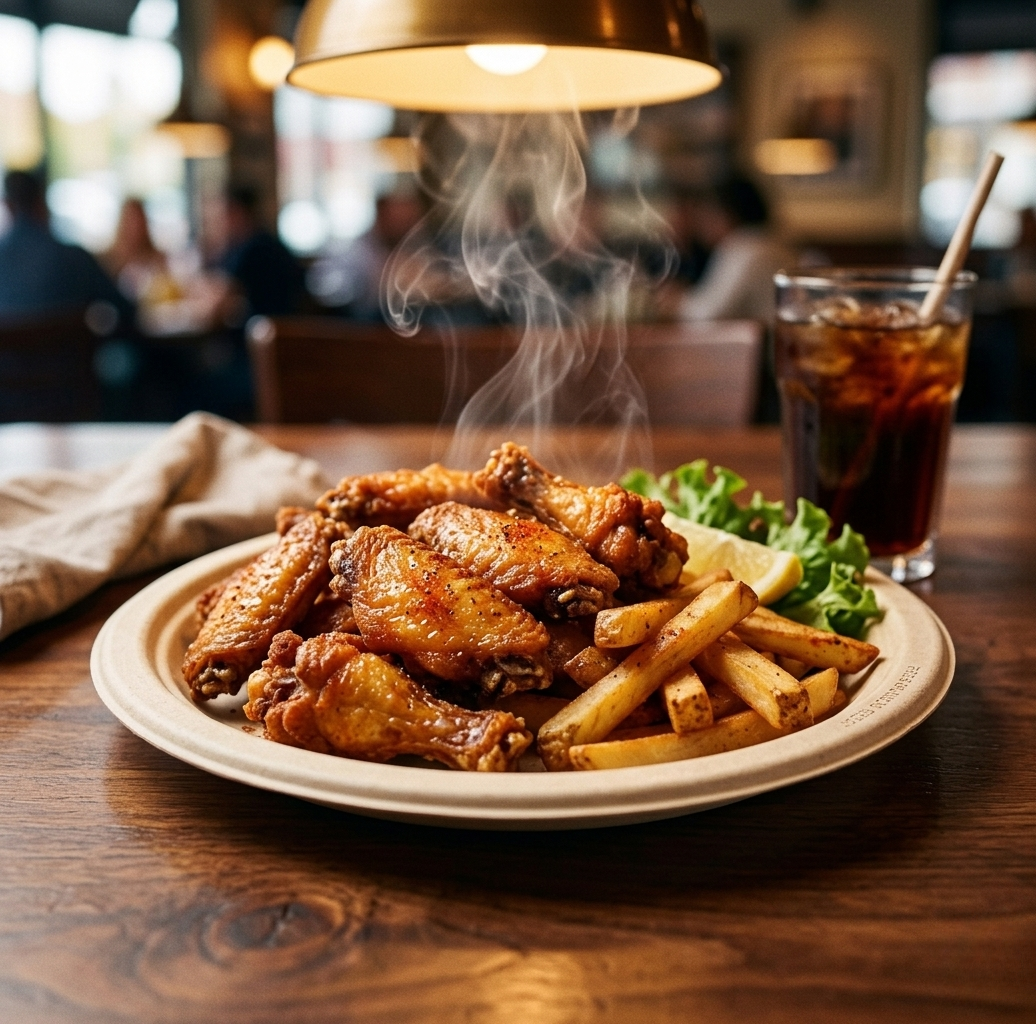
In general, food safety depends on both material purity and testing results. So it is important to look beyond surface claims.
Chemical Safety Considerations
Safe bamboo fiber plates are typically free from PFAS, melamine, formaldehyde, plastic coatings, and wax. If any of these substances are present, the safety profile changes.
Relevant Certifications
Different markets require different standards. However, several certifications are widely recognized:
| Certification | Region | Purpose |
|---|---|---|
| FDA | United States | Food contact compliance |
| LFGB | Germany/EU | Strict migration testing |
| PFAS-Free | Multiple regions | Chemical restriction compliance |
These certifications help verify that products meet safety thresholds under real use conditions.
Performance Under Heat
Properly manufactured bamboo fiber plates are often designed to withstand temperatures from freezing to high heat, maintain structure with oily or saucy foods, and avoid taste or odor transfer.
However, performance still depends on manufacturing quality.
Balanced View
Not all bamboo plates perform equally. Some may soften or deform if density and bonding are insufficient. So supplier capability plays an important role.
Why Do Some Bamboo Plates Get Negative Feedback?
Some reports suggest that bamboo plates may pose risks. However, these cases often relate to specific product types.
Most safety concerns are associated with bamboo–plastic composites rather than pure bamboo fiber pulp products.
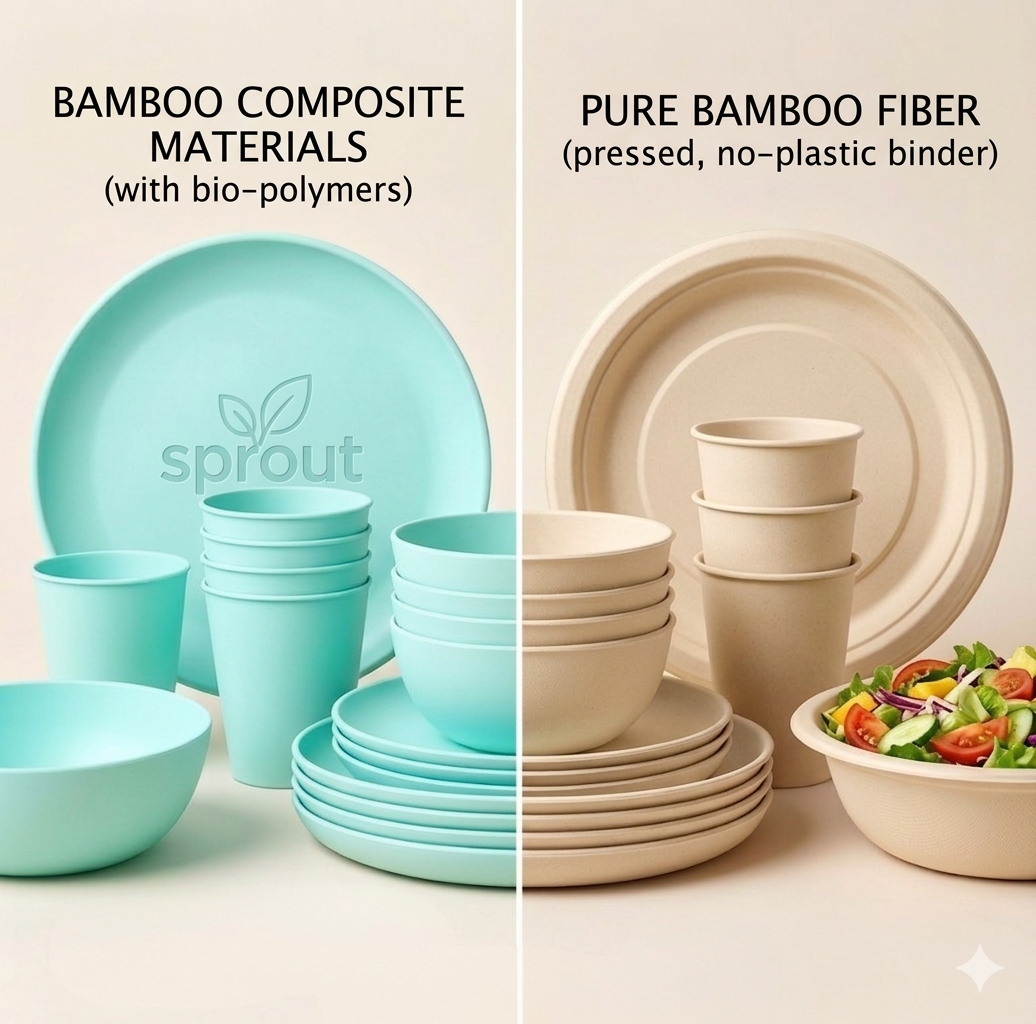
In recent years, regulatory agencies have investigated products labeled as bamboo. Some were found to contain plastic resins instead of pure fiber.
Common Misunderstandings
“Bamboo plates contain melamine” is only true for composite products. “Bagasse or paper is safer” depends on coatings and use conditions. “Lower cost means better value” often ignores compliance and performance risks.
Cost vs Value Perspective
| Factor | Lower-Cost Materials | Bamboo Fiber |
|---|---|---|
| Initial Cost | Lower | Moderate |
| Compliance Risk | Higher | Lower |
| Brand Perception | Neutral | Positive |
| Performance Stability | Variable | Consistent |
Practical Observation
In many cases, performance issues such as leakage or deformation are linked to material quality rather than material type alone.
Which Disposable Plates Are the Safest Choice Today?
There are multiple disposable materials available. Each has advantages and limitations.
Pure bamboo fiber plates are often considered a balanced option for safety, durability, and sustainability in modern foodservice.
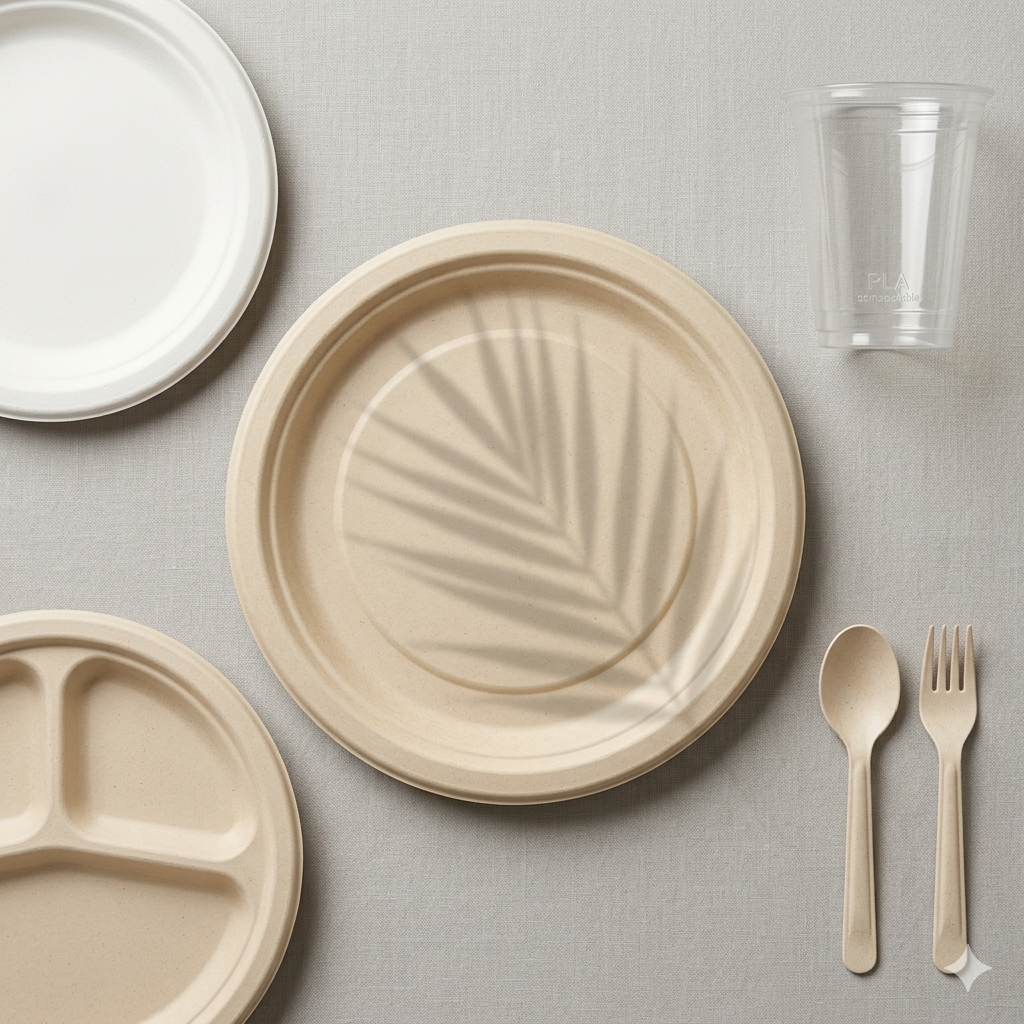
A comparison across materials
Material Comparison Overview
| Material | Safety | Heat Resistance | Strength | Compostability | Key Risk |
|---|---|---|---|---|---|
| Plastic | Moderate | High | High | No | Regulatory pressure |
| Paper | Moderate | Medium | Low | Limited | Coating chemicals |
| Bagasse | Moderate | Medium | Medium | Yes | Coating dependency |
| Bamboo Composite | Variable | Medium | High | No | Chemical migration |
| Bamboo Fiber | High | High | High | Yes | Low |
General Conclusion
Each material can be suitable depending on use. However, for applications involving hot and oily food, material consistency and chemical safety become more important.
How Can Buyers Identify Safe Bamboo Fiber Plates?
Selecting the right supplier is critical. Many risks can be avoided with proper verification.
A structured checklist can help buyers confirm material safety, compliance, and product consistency.
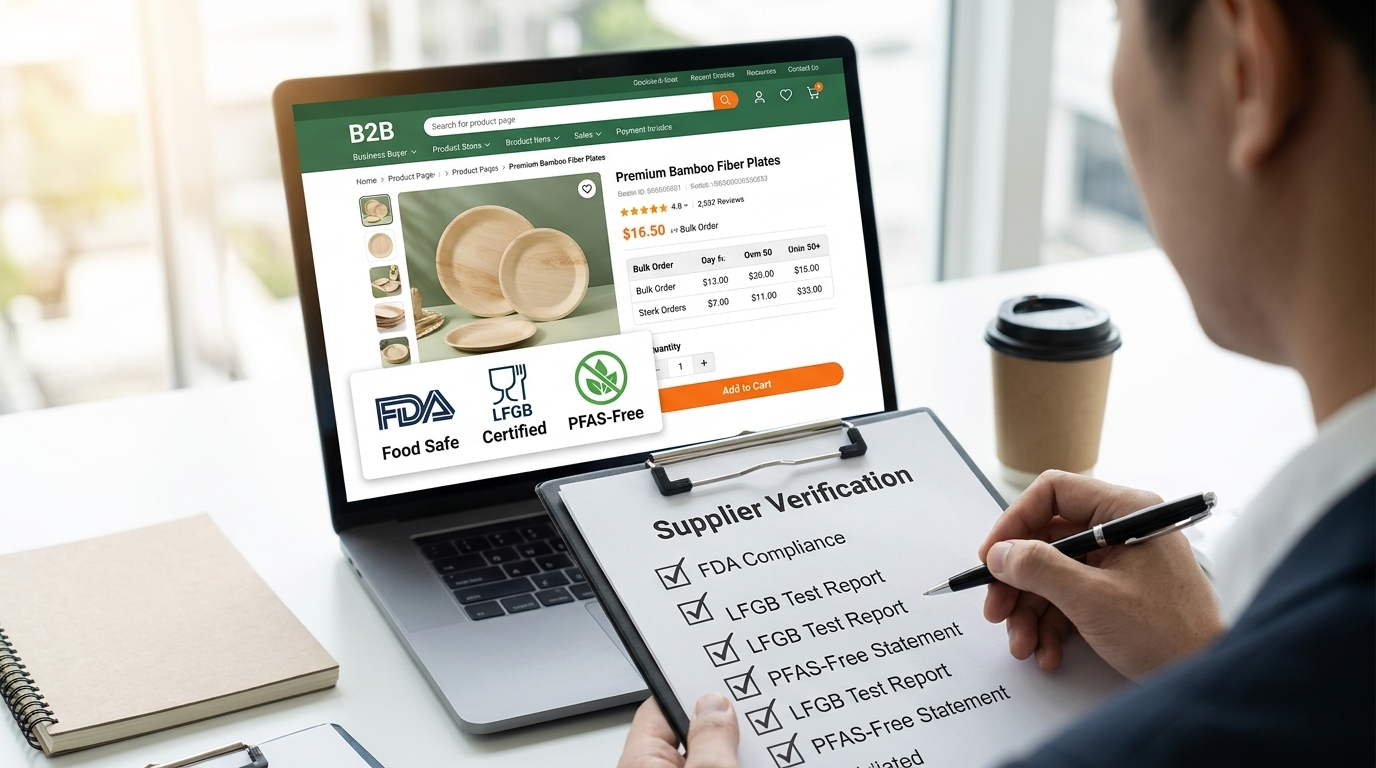
Before placing an order, it is useful to verify key points.
Practical Checklist
- Is the product 100% bamboo fiber pulp?
- Are FDA or LFGB reports available?
- Is the product PFAS-free?
- What binders are used?
- Is it suitable for heat and microwave use?
- Are samples available for testing?
- Does the supplier have export experience?
Supplier Evaluation
| Criteria | Reliable Supplier | Uncertain Supplier |
|---|---|---|
| Documentation | Complete | Limited |
| Material Transparency | Clear | Vague |
| Testing | Third-party | Unverified |
| Communication | Consistent | Inconsistent |
Subtle Industry Insight
In practice, suppliers with integrated production and consistent export experience are often better positioned to meet both safety and compliance requirements.
Frequently Asked Questions About Bamboo Fiber Plate Safety?
Many buyers still have practical concerns about safety, compliance, and real-world usage. These questions often come up during sourcing decisions.
Bamboo fiber plates are generally safe when made from pure pulp and properly tested, but performance depends on materials and manufacturing quality.
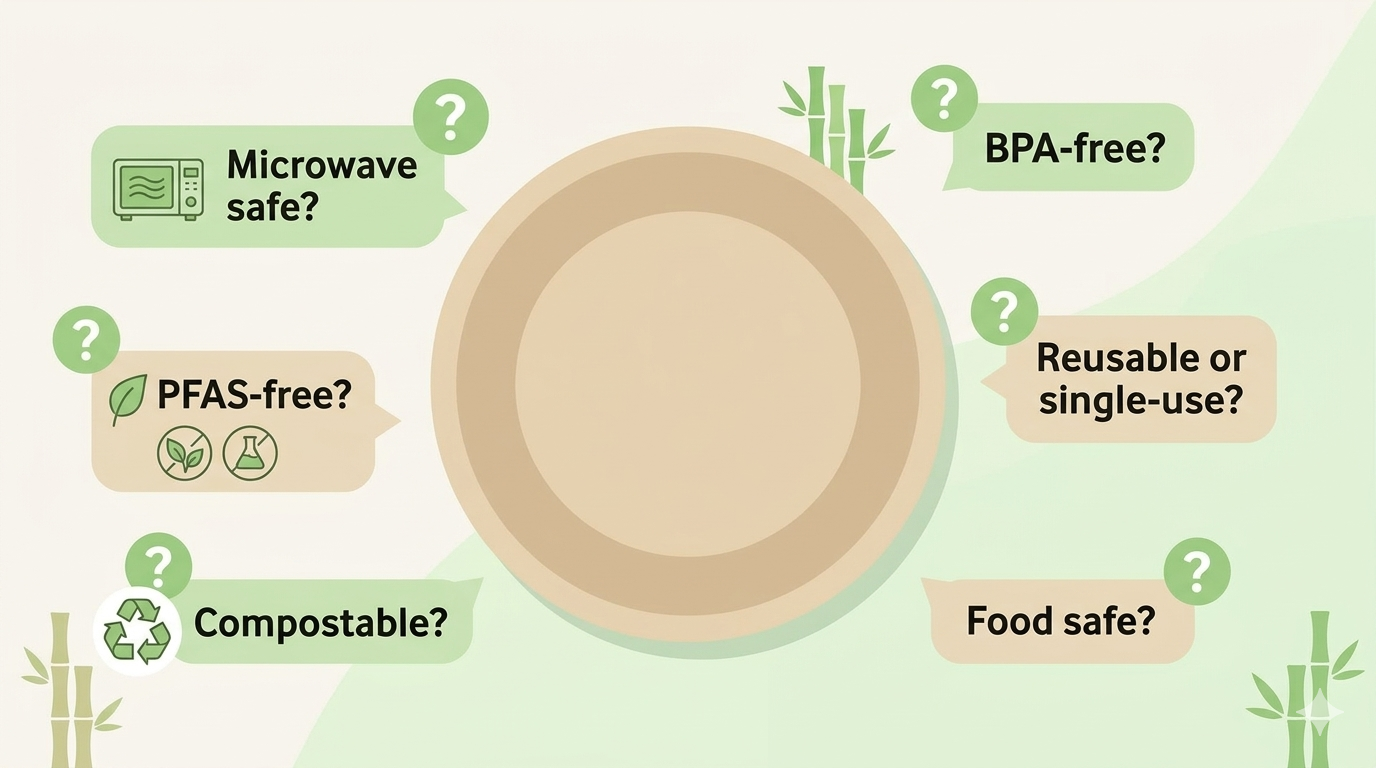
Are bamboo fiber plates safe for hot and oily restaurant food in 2026?
They are safe when made from pure bamboo pulp and tested for migration. High-quality plates can handle hot and greasy food without leaking or breaking.
Can I microwave bamboo fiber plates every day?
Most are microwave safe under normal use. However, extreme heat or long heating time may affect structure, so proper usage guidelines matter.
Are bamboo fiber plates safe for kids and hospitals?
They are suitable when free from harmful chemicals and certified under FDA or LFGB standards. Additional documentation may be required for institutional use.
What is the difference between home and industrial compostable?
Home compostable products break down naturally. Industrial compostable products require controlled environments with heat and moisture.
Will bamboo fiber plates meet PFAS and plastic regulations?
Pure bamboo fiber plates without coatings are generally aligned with new regulations. However, compliance depends on local laws and documentation.
How long do they take to decompose?
Bamboo fiber is fully biodegradable and can naturally decompose within 90 days.
How can I identify melamine-containing bamboo plates?
Glossy surfaces, bright colors, and plastic-like texture may indicate resin. However, lab reports are the most reliable method.
Why are some bamboo plates banned in the EU?
Some products were found to contain melamine resin and failed migration tests, leading to regulatory action.
Conclusion
Bamboo fiber plates are safe when made from pure pulp, properly tested, and sourced from reliable manufacturers with consistent quality and compliance.