


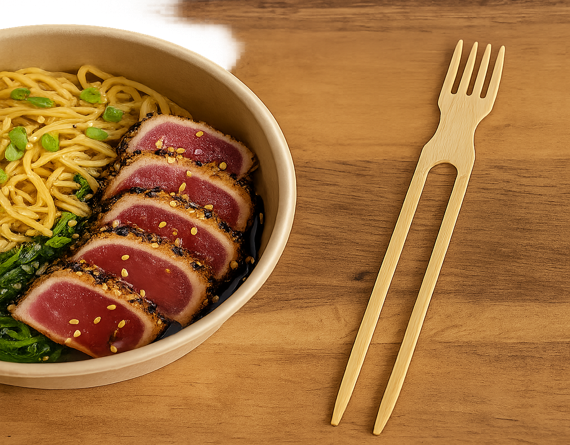
Bamboo Chop-Fork
Compostable, Plastic-Free, and Customizable
- 2-in-1 Hybrid Design:A unique chopstick + fork combination designed for convenience and versatility.
- Eco-Friendly & Compostable:Made from 100% natural, chemical-free bamboo. Fully biodegradable and commercially compostable.
- Durable & Splinter-Free:Engineered for heavy use — won’t crack, split, or break even in high-volume settings.
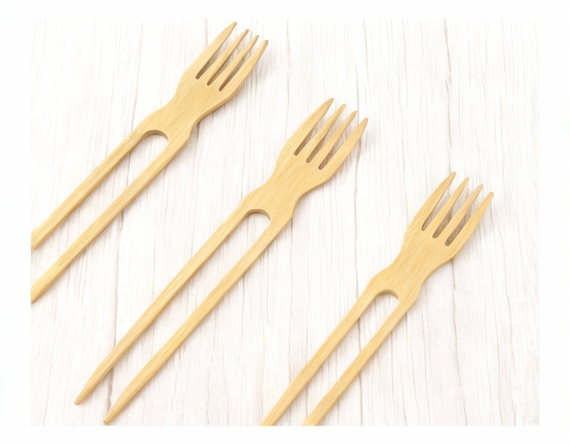
- Comfortable & Stylish:Smooth polished edges and a twisted grip design for a secure, premium feel.
- Heat & Food Safe:Resistant to temperatures from -100°C to 280°C. Safe for both hot and cold meals.
- Operationally Efficient:Stackable, lightweight, and perfect for fast-paced service environments such as festivals, stadiums, and outdoor events.
What Is Bamboo Chop-Fork?
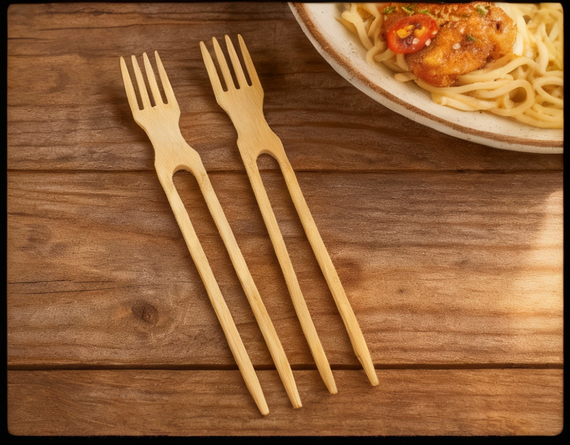
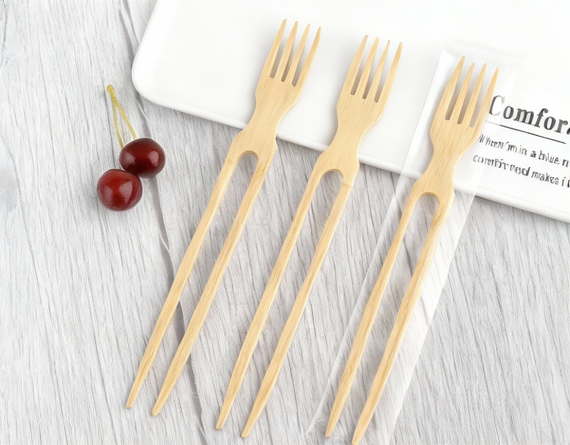
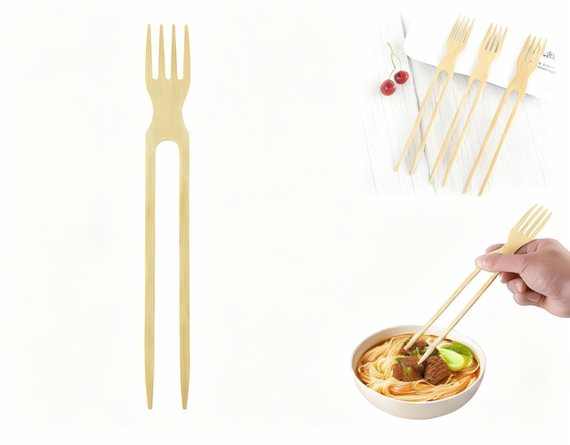
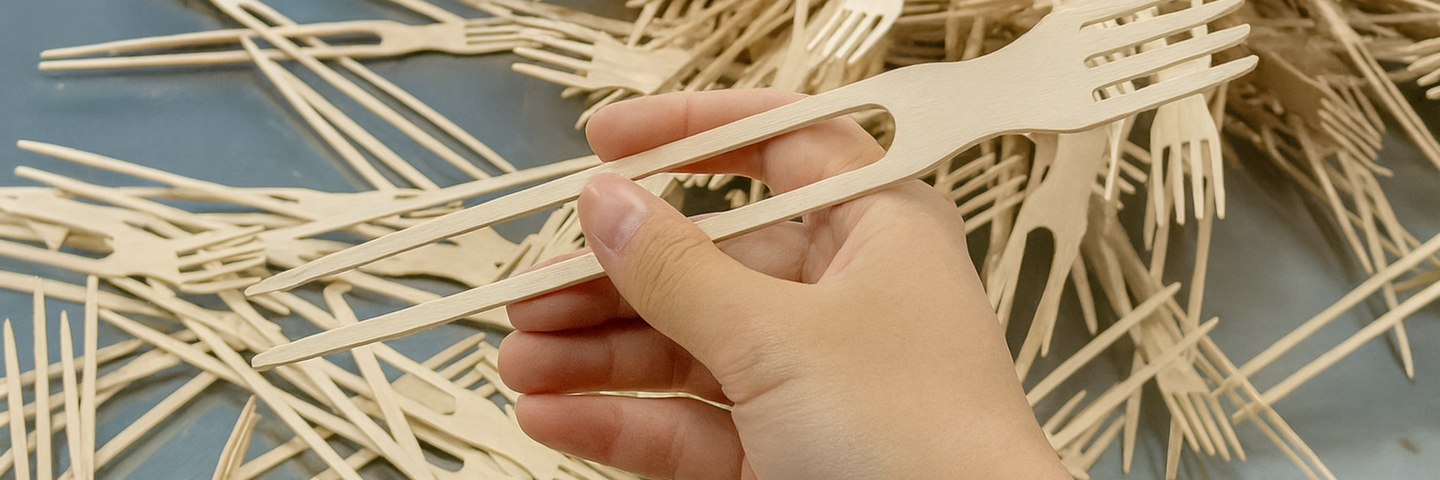
The PANABAM Bamboo Chop-Fork is an innovative 2-in-1 hybrid utensil that merges the functionality of a fork and chopsticks. Designed for high-volume foodservice, music festivals, and eco-driven hospitality programs, it offers a practical, elegant, and sustainable dining solution.
Crafted from 100% natural bamboo, this utensil delivers strength, comfort, and style — allowing guests to easily enjoy noodles, salads, poke bowls, or rice dishes on the go.Engineered for performance and sustainability, it’s a perfect fit for eco-conscious events and large-scale foodservice operations.
Bamboo Fork And Chopstick Specifications
- Tab1
| Product Name | Bamboo Chop-Fork (Hybrid Utensil) |
| Material | 100% Natural Bamboo (Uncarbonized) |
| Color | Natural Bamboo |
| Dimensions | 250 × 27 × 2 mm (≈ 10 × 1 × 0.08 inch) |
| Weight | 4.5 g |
| Surface Finish | Machine-polished, splinter-free, smooth edges |
| Design | Twisted grip with integrated fork head |
| Food Safety | FDA, LFGB, EU Food Contact Compliant |
| Temperature Resistance | -100°C to 280°C |
| Microwave / Oven | Safe up to 220°C |
| Environmental | 100% Biodegradable & Compostable |
Why Choose Bamboo Fork And Chopstick
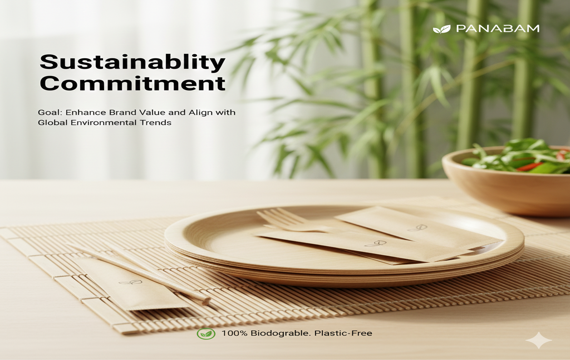
Enhancing Brand Value & Aligning with Global Eco Trends
At PANABAM, we understand the importance of corporate social responsibility. To meet the growing global demand for eco-friendly and sustainable products, we are dedicated to producing 100% biodegradable bamboo tableware, eliminating plastic pollution and contributing to a cleaner future.
Every product we make is not only designed for functionality and aesthetics, but also for environmental harmony, fully compliant with international sustainability standards.
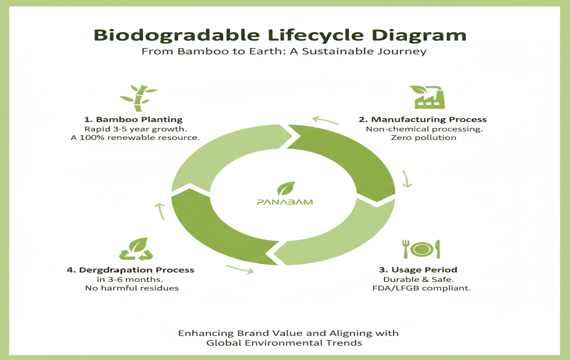
Biodegradable Lifecycle Diagram
We use natural bamboo as the core material to support a sustainable, renewable lifecycle. The diagram shows the full eco journey—from growth to decomposition—emphasizing a zero-plastic, low-impact solution.
Bamboo Growth: Fast-growing in 3–5 years, renewable and carbon-neutral.
Production: Chemical-free manufacturing with reduced emissions.
Use: Food-safe, durable, FDA & LFGB compliant.
Decomposition: Fully biodegrades within 3–6 months with no residue.
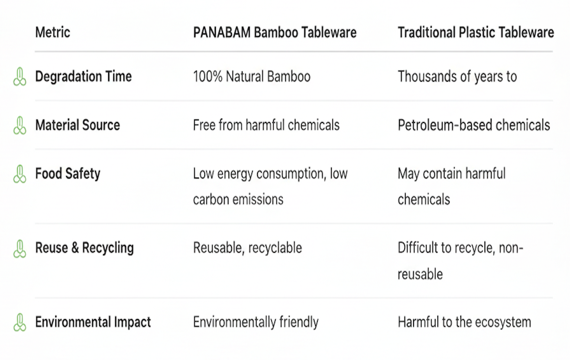
Bamboo vs. Traditional Plastic Tableware
Through this comparison, we emphasize the environmental superiority of PANABAM bamboo tableware. Compared with traditional plastics, our biodegradable bamboo utensils generate lower carbon emissions and decompose faster, representing the future of sustainable dining.
Bamboo Fork And Chopstick Application (5)
-

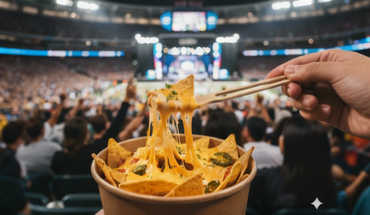
Designed for high-volume, fast-paced food service environments, bamboo chop-forks offer strength, comfort, and sustainability in one utensil. They help stadiums and concert venues reduce plastic waste while delivering a premium dining experience that aligns with large-scale sustainability commitments.
-
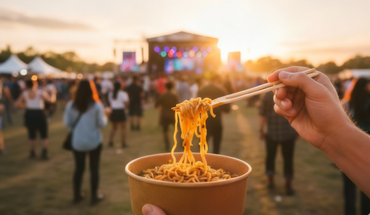
Perfect for festivals and outdoor events where durability and eco-impact matter. Bamboo chop-forks are lightweight, easy to distribute, and compostable, supporting zero-waste initiatives while handling diverse foods—from noodles to street-food bowls—with ease.
-
An ideal solution for modern QSR brands and eco-focused restaurants seeking a functional yet sustainable utensil. The chop-fork design enhances customer convenience while reinforcing brand values around responsible sourcing and plastic-free dining.
-
Suitable for premium hospitality and travel dining, bamboo chop-forks combine elegance with compliance. They support onboard and catering service needs while helping airlines, cruise lines, and hotels meet global sustainability and waste-reduction targets.
-
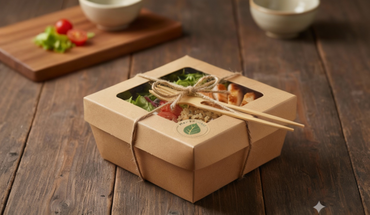
Engineered to integrate seamlessly into eco-friendly takeaway systems, bamboo chop-forks complement compostable packaging solutions. They enable brands and distributors to offer a complete, plastic-free foodservice set that meets growing regulatory and consumer demands.


Packaging Options (3)
A chopstick fork is commonly referred to as a chop-fork, chork, or spork-style hybrid utensil. It combines the gripping function of chopsticks with the scooping and piercing ability of a fork, making it ideal for modern, multi-cuisine dining and foodservice environments.
Chopsticks are designed for precision gripping and are traditionally used for noodles, rice, and bite-sized foods, while forks are better suited for piercing and scooping Western-style dishes. A chop-fork bridges both functions, offering greater versatility and ease of use for diverse menus and international diners.
Chopsticks are significantly older than forks. Chopsticks originated in China over 3,000 years ago, while forks were not commonly used in Europe until around the 11th–14th century. This makes chopsticks one of the earliest dining utensils still in widespread use today.
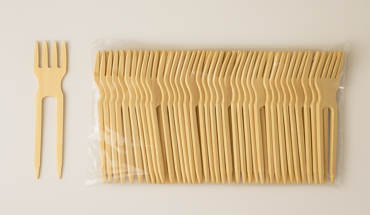
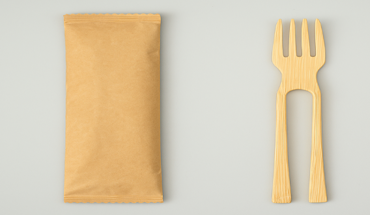
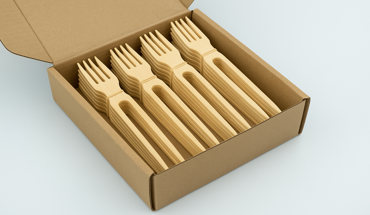
A chork typically resembles a fork with two or three short tines, combined with elongated handles or split ends inspired by chopsticks. The bamboo chop-fork features a slim, ergonomic design that allows users to grip, scoop, and lift food comfortably using a single utensil.
Japanese chopsticks are generally shorter, lighter, and more tapered, often designed for individual use and precision. Chinese chopsticks are usually longer and thicker, suited for shared dishes and larger serving styles. The bamboo chop-fork takes inspiration from both traditions while adapting the form for global foodservice use.