


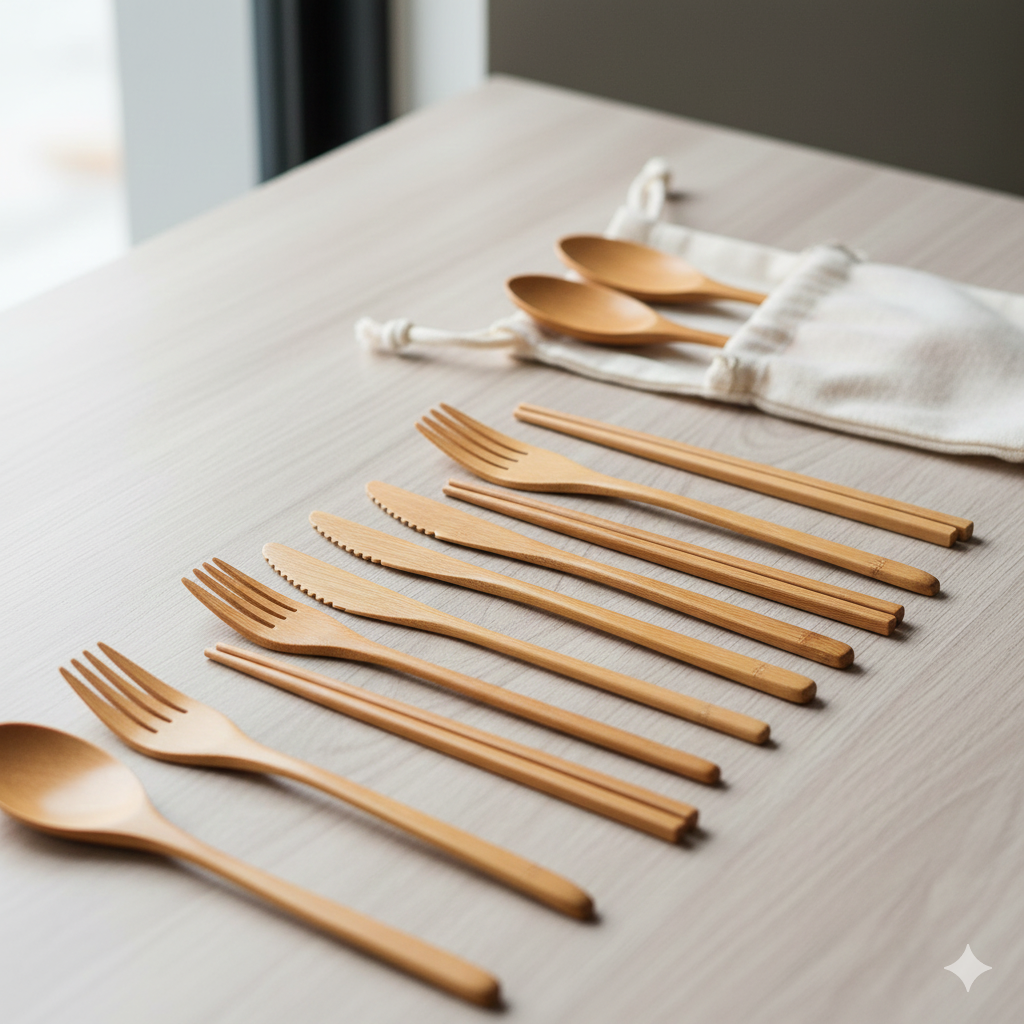
Sustainable dining is no longer a niche trend—it’s becoming a global movement. As concerns about plastic pollution, food safety, and environmental impact grow, bamboo cutlery has emerged as one of the most eco-friendly alternatives to traditional plastic and even metal utensils. Lightweight, durable, and biodegradable, bamboo cutlery appeals not only to households but also to restaurants, catering businesses, and outdoor event organizers.
This comprehensive guide will cover everything you need to know about bamboo cutlery, from its production process and safety features to its environmental benefits, usage, and market trends. By the end of this article, you’ll understand why switching to bamboo cutlery is both a responsible and practical choice.
2. What Is Bamboo Cutlery?
Bamboo cutlery refers to spoons, forks, knives, chopsticks, stirrers, and sporks made entirely or primarily from bamboo. Unlike disposable plastic cutlery, bamboo cutlery is natural, biodegradable, and free of harmful chemicals. It’s available in both single-use and reusable forms.
Applications include:
- Household use for daily meals
- Takeaway or delivery services
- Catering and event services
- Camping and outdoor activities
The versatility and strength of bamboo make it a suitable alternative to plastic, offering both functionality and eco-conscious appeal. Not only does it serve as a functional dining tool, but it also makes a statement about the values of sustainability and environmental responsibility. More businesses are adopting bamboo cutlery as part of their efforts to reduce their environmental footprint and offer consumers a greener alternative.
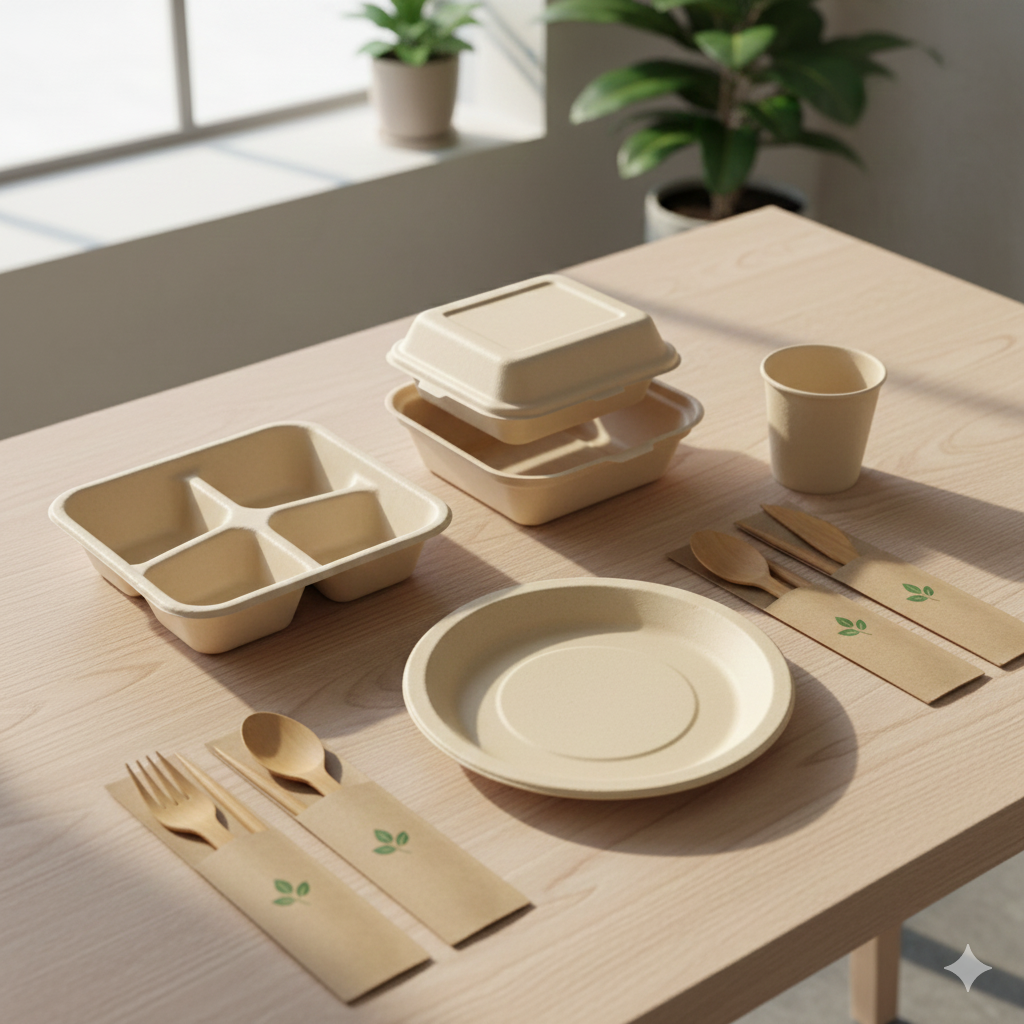
Bamboo Cutlery’s Popularity in the Food Industry
The rise of bamboo cutlery aligns with the broader shift toward sustainable dining practices in the food industry. As eco-conscious consumers demand more responsible packaging, many restaurants, food trucks, and catering services are moving away from plastic in favor of biodegradable alternatives like bamboo. Major food chains and cafes are also starting to replace their plastic utensils with bamboo, signaling a significant shift in consumer preferences and business practices.
3. How Is Bamboo Cutlery Made?
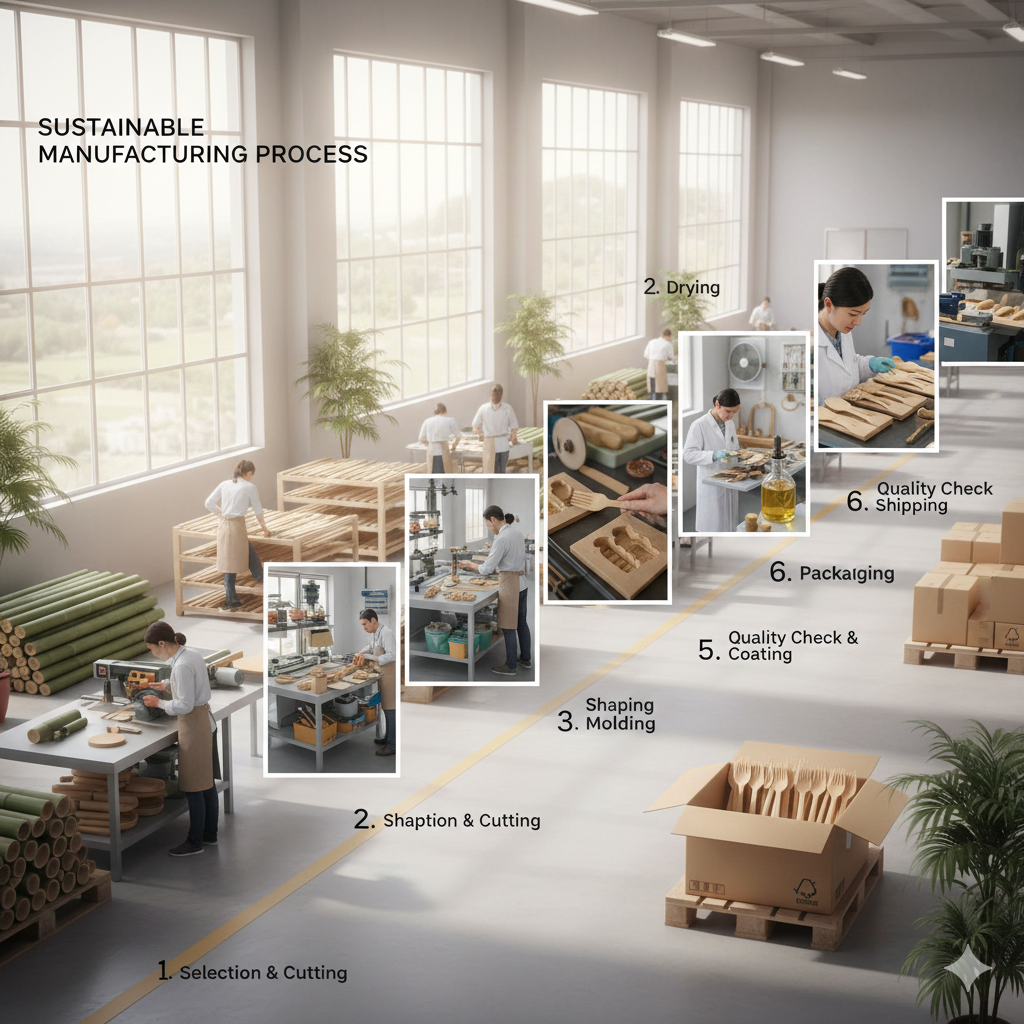
The manufacturing of bamboo cutlery is a careful process that ensures both durability and safety. Typical steps include:
- Selection of bamboo: Mature, pesticide-free bamboo is chosen for its natural strength and fast growth cycle.
- Cutting and drying: Bamboo stalks are cut into manageable sizes, then dried to reduce moisture content, which helps prevent mold and mildew during production.
- Shaping and molding: The bamboo is either hand-carved or molded into the desired cutlery shapes. This process ensures each piece is comfortable to use and functions effectively for its intended purpose.
- Sanding and polishing: Each utensil is carefully sanded to ensure smoothness and user safety. Sanding also helps eliminate any rough edges that could cause discomfort or injury.
- Optional food-safe coating: Some bamboo cutlery may have a light coating of natural oil to enhance durability without compromising food safety. These coatings are food-safe and are typically made from plant-based oils like coconut or linseed oil.
Bamboo’s natural fibrous structure makes it sturdy and lightweight, ideal for both disposable and reusable cutlery.
4. Is Bamboo Cutlery Good for the Environment?
Bamboo is considered one of the most sustainable materials for cutlery due to several key factors:
- Rapid growth: Bamboo can mature in 3–5 years, much faster than hardwood trees. This fast growth rate ensures a steady, renewable supply of bamboo for manufacturing.
- Low environmental impact: It requires minimal water, no pesticides, and improves soil health. Bamboo is a natural soil conditioner, meaning that it helps enrich the soil while it grows.
- Biodegradability: Bamboo cutlery naturally decomposes in soil, reducing landfill waste. Plastic, by contrast, can take hundreds of years to break down, contributing significantly to pollution.
- Carbon footprint: Compared to plastic or metal utensils, bamboo has a significantly lower carbon footprint. Bamboo absorbs carbon dioxide as it grows, helping to offset emissions during its production.
By choosing bamboo cutlery, households and businesses contribute to a reduction in single-use plastic pollution and support sustainable manufacturing practices. Bamboo’s environmental benefits are undeniable, and choosing it over plastic is a responsible decision for any environmentally conscious consumer.
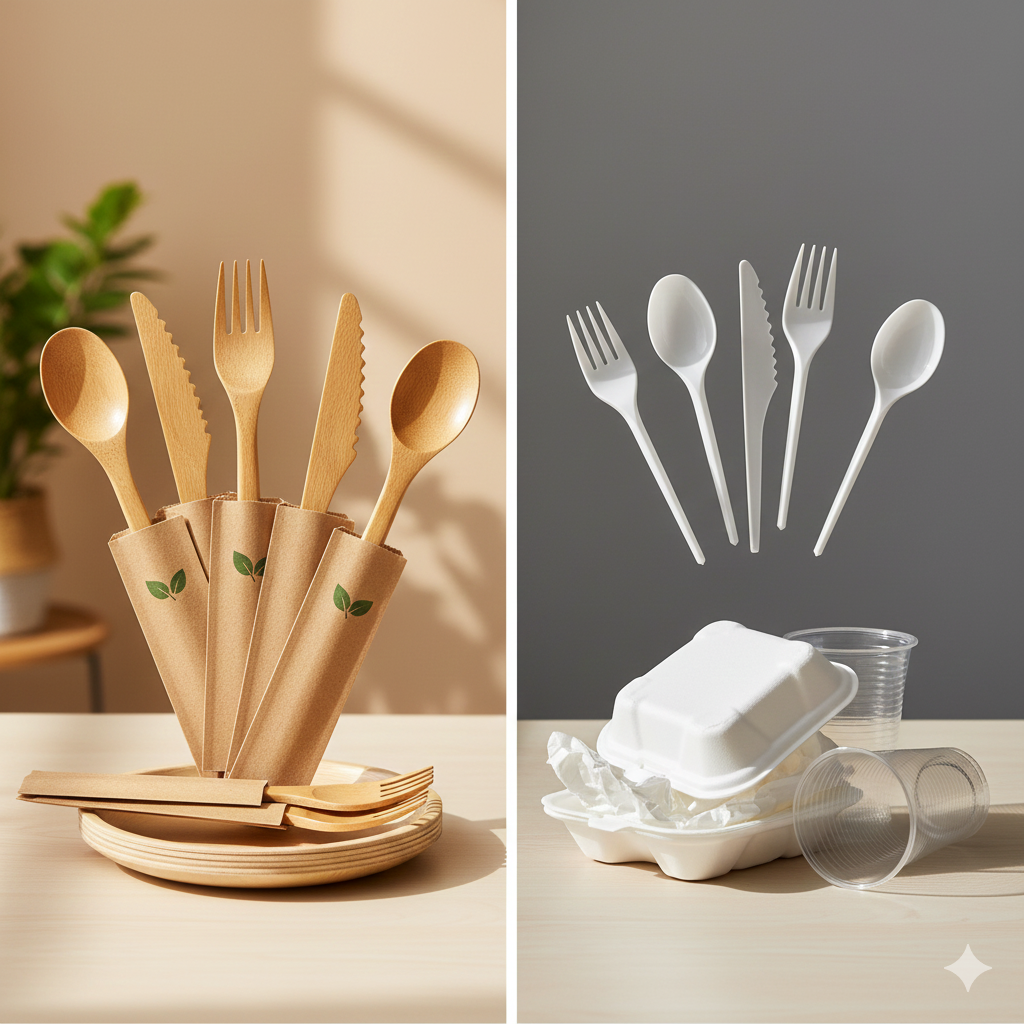
Bamboo vs. Plastic: The Environmental Comparison
Bamboo outshines plastic in several key areas:
- Production Efficiency: Bamboo requires minimal water, while plastic production uses a significant amount of oil and water.
- Waste Reduction: Bamboo decomposes naturally and rapidly, whereas plastic takes hundreds of years to break down in landfills, contributing to long-term environmental damage.
- Toxicity: Bamboo is free of harmful chemicals like BPA and phthalates, which are often found in plastic products and can leach into food. Plastic also releases toxic chemicals when it breaks down, contaminating soil and water.
The Importance of Biodegradability
The biodegradability of bamboo cutlery is one of its key advantages. Unlike plastic, which can persist in the environment for centuries, bamboo degrades quickly and naturally. It is fully compostable, breaking down into organic matter that enriches the soil. This makes bamboo cutlery a perfect choice for environmentally responsible consumers and businesses looking to minimize their impact.
5. Safety and Durability
Food Safety
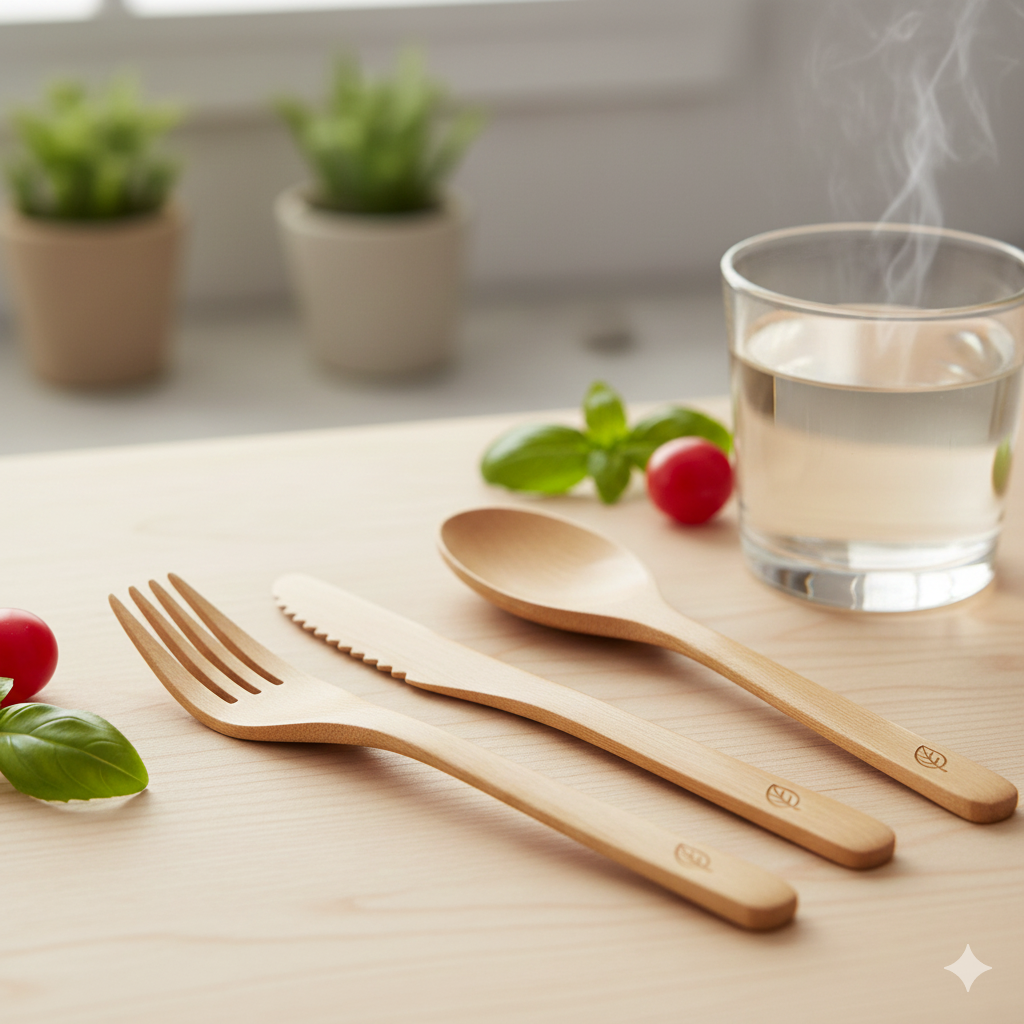
Bamboo cutlery is naturally safe for food contact. High-quality bamboo cutlery meets FDA, LFGB, and other international standards, ensuring it is free from BPA, heavy metals, or other harmful chemicals. Bamboo also possesses natural antibacterial properties, reducing the risk of bacterial contamination. This makes bamboo cutlery a much safer option compared to plastic, which can leach harmful chemicals when exposed to heat or food.
Durability
The lifespan of bamboo cutlery depends on usage and care. Reusable bamboo cutlery can last for 1–2 years under normal household use, while disposable versions are designed for single-use. Factors that affect durability include washing methods, exposure to moisture, and heat. Proper care and maintenance can significantly extend the life of bamboo cutlery, making it a long-lasting option for households and businesses.
Bamboo cutlery is strong enough to handle both cold and hot foods. However, it is important to remember that excessive exposure to water or high heat can weaken the bamboo fibers, so it’s best to avoid prolonged soaking or high-temperature dishwashing.
6. How to Use and Maintain Bamboo Cutlery
Proper care extends the life of bamboo cutlery:
- Daily cleaning: Rinse after use with warm water and mild soap. Avoid soaking for long periods, as this can weaken the fibers and cause damage.
- Dishwasher: Most bamboo cutlery is not dishwasher safe, as high heat and prolonged water exposure can cause cracks or warping. Handwashing is the best method to preserve the integrity of the bamboo.
- Storage: Keep in a dry, well-ventilated area. Avoid airtight containers with moisture, as this can lead to mold growth. Store your bamboo cutlery in a dry and cool place to prevent damage.
- Reuse: Reusable bamboo utensils can be reused multiple times with proper care. Replace them if cracks, splinters, or signs of significant wear appear.
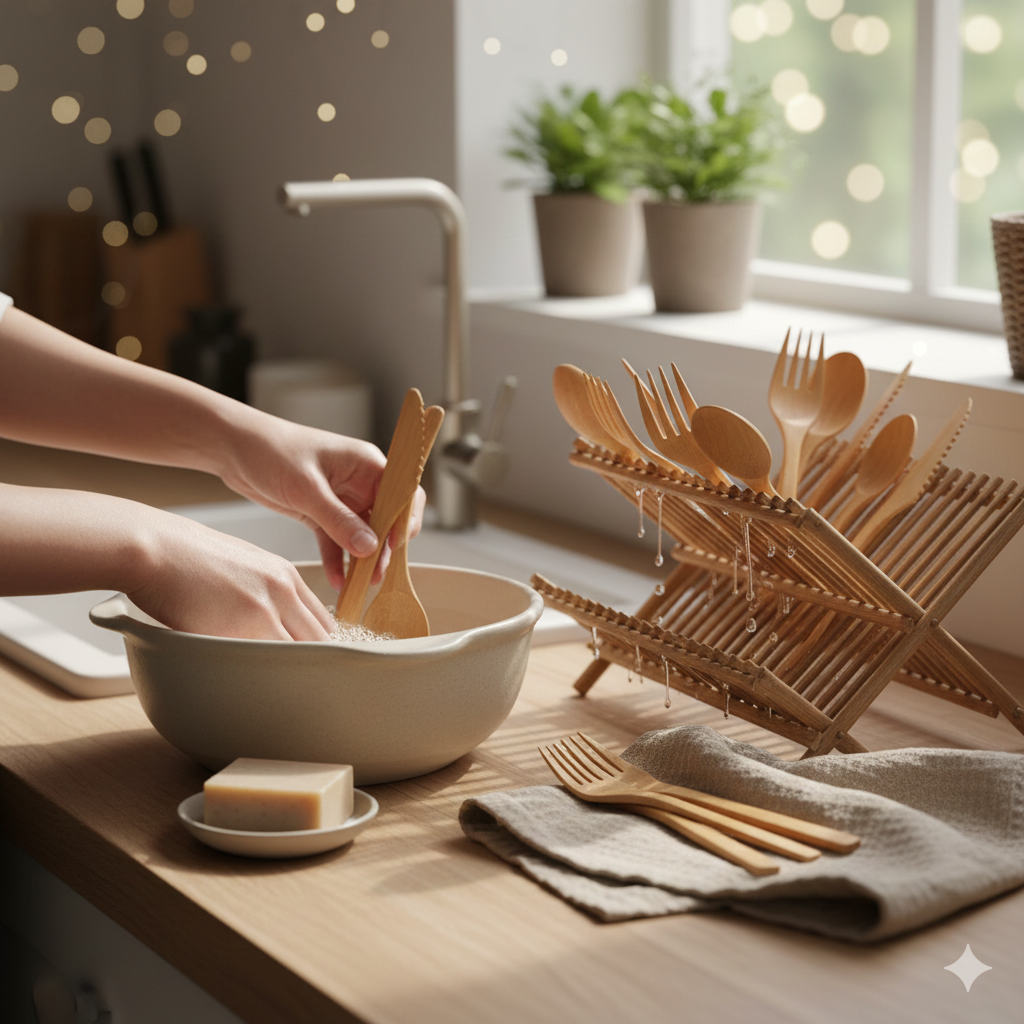
With the right maintenance, bamboo cutlery can last much longer than its plastic counterpart, offering a more sustainable option in the long run.
7. Travel and Convenience
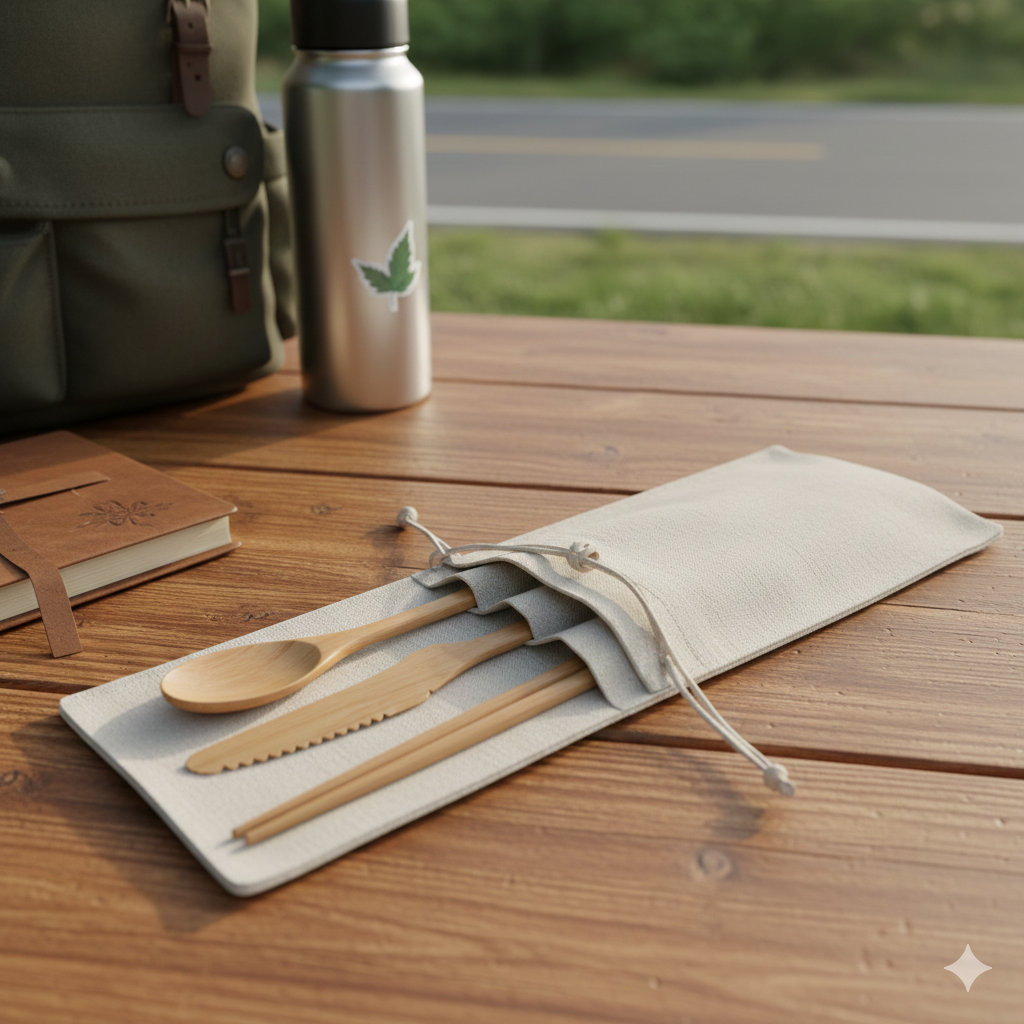
Bamboo cutlery is lightweight, portable, and ideal for travel.
- Air travel: Most airports, including TSA in the US, allow bamboo spoons, forks, and chopsticks in carry-on luggage. Knives may be restricted, so it’s best to check TSA guidelines before traveling.
- Travel kits: Many eco-conscious travelers carry bamboo cutlery kits with sporks, chopsticks, and straws for on-the-go meals. These kits are not only functional but also contribute to reducing single-use plastics during travel.
Bamboo cutlery is an excellent choice for anyone looking to minimize their environmental footprint while traveling. Whether you’re on a plane or at a campsite, bamboo cutlery is the perfect solution for eco-friendly meals on the go.
8. Cost and Value
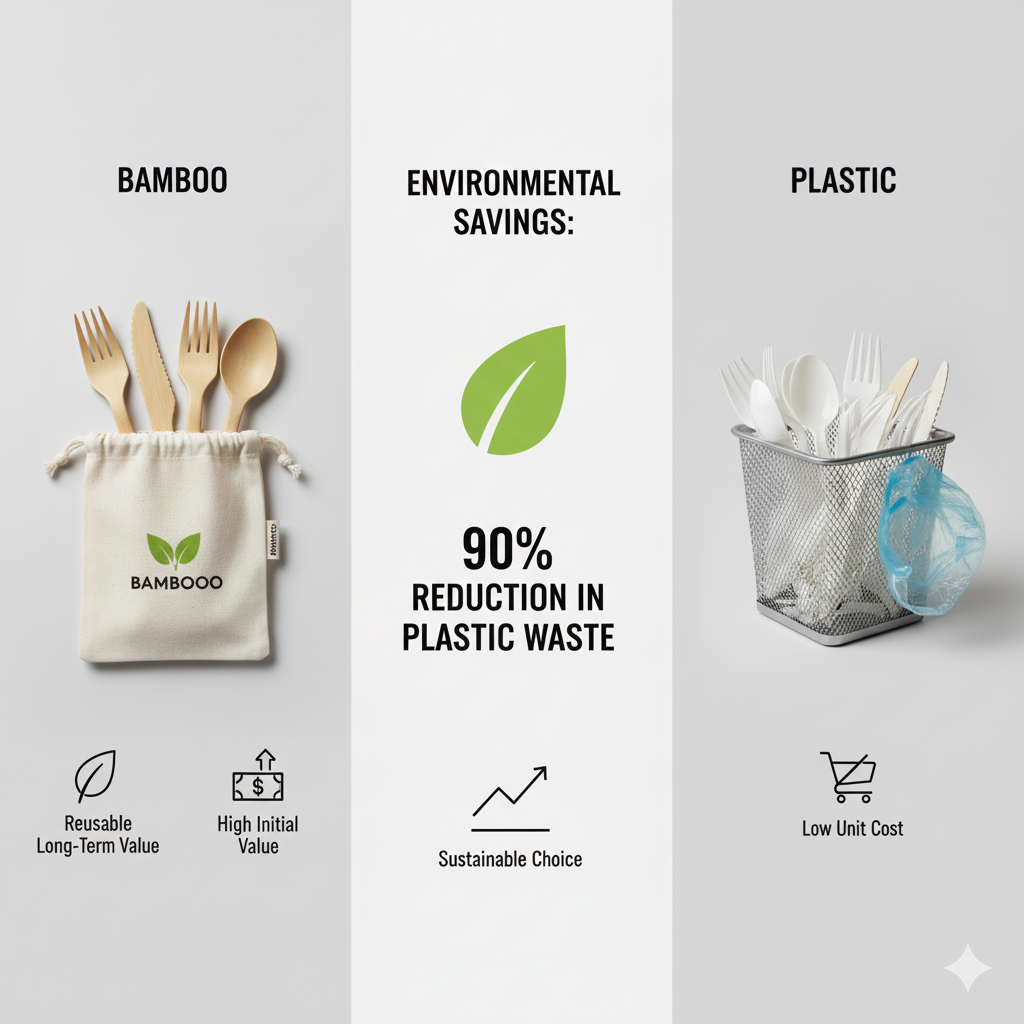
Although the upfront cost of bamboo cutlery may be slightly higher than single-use plastic, the long-term value is significant:
- Reusable bamboo utensils reduce repeated purchases of disposable plastic. Over time, this can lead to significant savings, especially for businesses that use large quantities of cutlery.
- Brand image: Businesses using bamboo cutlery showcase sustainability, attracting eco-conscious customers and aligning with current market trends. Consumers are increasingly making purchasing decisions based on the environmental impact of the products they buy.
- Environmental savings: By switching to bamboo, businesses contribute to the reduction of plastic waste and disposal costs. Bamboo is also less resource-intensive to produce, making it a cost-effective option for both consumers and businesses.
9. Biodegradable Bamboo Cutlery: Uses and Benefits
Biodegradable bamboo cutlery is perfect for:
- Restaurants, cafes, and catering services
- Outdoor events, picnics, and camping
- Corporate sustainability initiatives
- Zero-waste lifestyles

Benefits include:
- Compostable and environmentally friendly
- Lightweight and sturdy
- Safe for children and adults alike
Bamboo cutlery is a perfect fit for any event where sustainability is a priority. Its biodegradability and natural finish make it suitable for both formal and informal settings, from casual picnics to corporate events.
10. Additional Benefits of Bamboo Cutlery
- Lightweight yet strong: Easy to carry without compromising durability. Bamboo cutlery is significantly lighter than metal alternatives, making it ideal for travel and outdoor activities.
- Heat resistance: Suitable for hot foods and beverages. Bamboo handles heat better than plastic, which can warp or melt under high temperatures.
- Aesthetic appeal: Natural bamboo finish enhances presentation, making it a visually appealing choice for both casual and formal events.
- Child-safe: Smooth edges and non-toxic material ensure that bamboo cutlery is safe for children. Unlike plastic, bamboo doesn’t contain harmful chemicals, making it ideal for family-friendly dining.

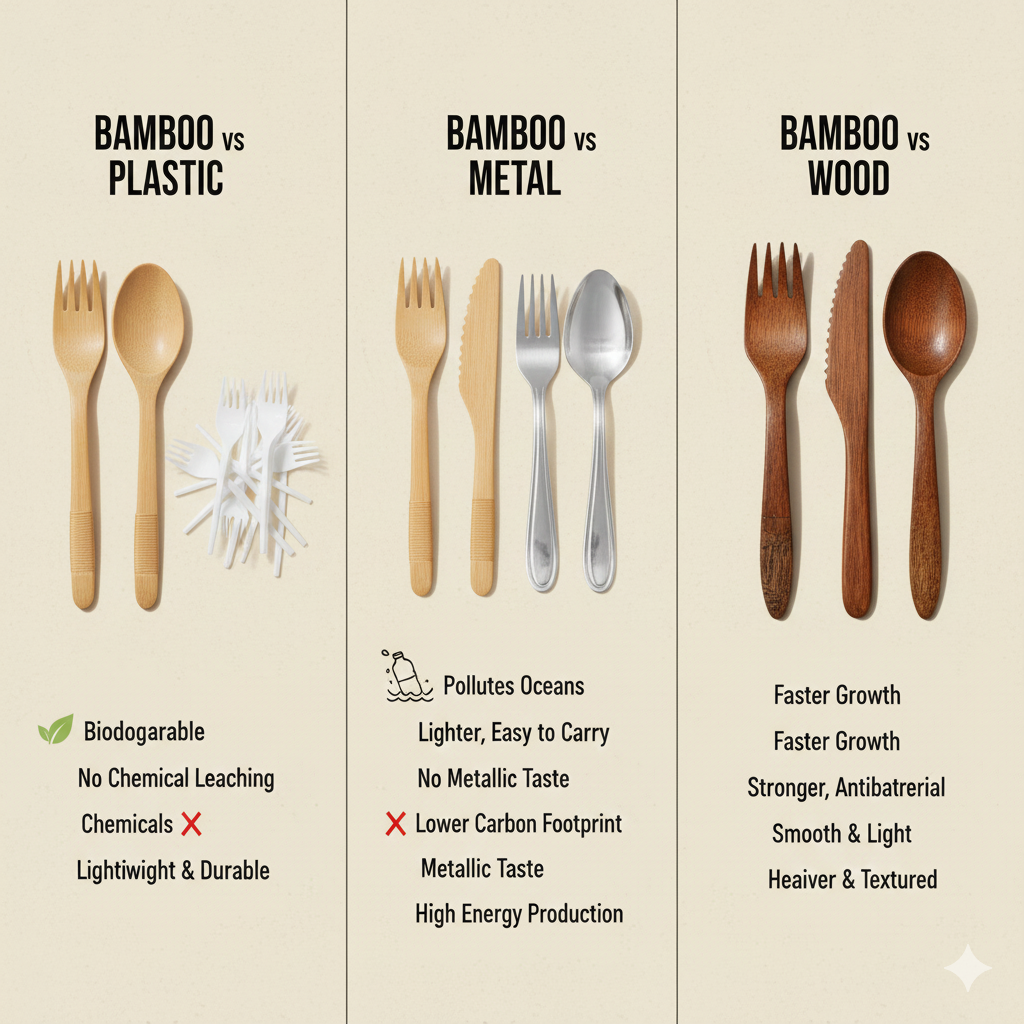
11. Bamboo Cutlery vs Alternatives
Bamboo vs Plastic
- Bamboo is biodegradable; plastic pollutes oceans and landfills.
- No chemical leaching in bamboo.
- Lightweight, but more durable than thin disposable plastic.
Bamboo vs Metal
- Bamboo is lighter and easier to carry for travel.
- No metallic taste or temperature sensitivity.
- Lower carbon footprint in production.
Bamboo vs Wooden Cutlery
- Bamboo grows faster than hardwood trees.
- Stronger fiber structure, naturally antibacterial.
- Smooth, lightweight, and aesthetically pleasing.
12. Choosing the Right Bamboo Cutlery
When selecting bamboo cutlery, consider:
- Customization: Logos, colors, and shapes for branding.
- Thickness and layers: For strength and heat resistance.
- Certifications: FDA, LFGB, or EU compliance for food safety.
- Packaging: Eco-friendly, compostable, or recyclable packaging options.
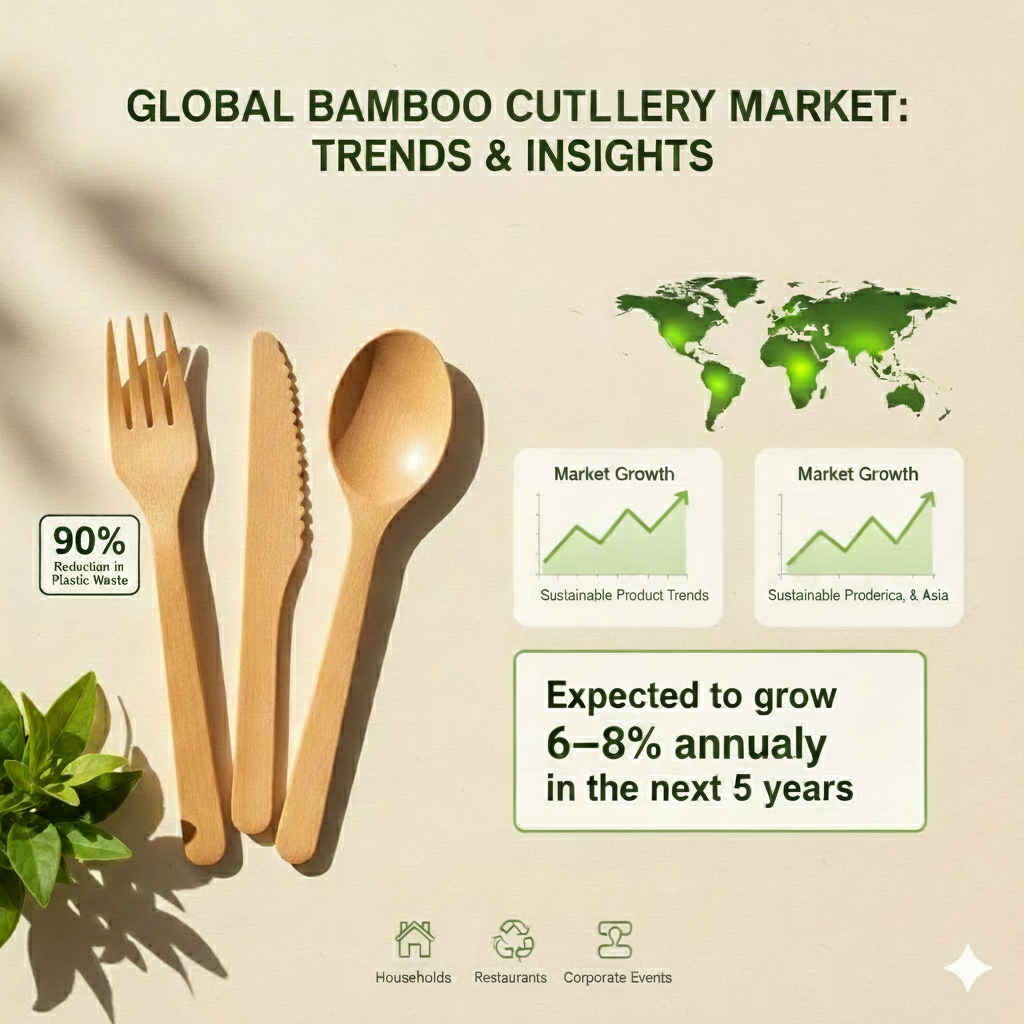
13. Trends and Market Insights
- Global demand for bamboo cutlery is growing rapidly due to bans on single-use plastics.
- Popular in the UK, Europe, North America, and Asia.
- Increasing adoption by eco-conscious households, restaurants, and corporate events.
- Forecast: Bamboo cutlery market is expected to grow 6–8% annually in the next five years.
As more governments around the world implement bans on single-use plastics, the bamboo cutlery market is expected to continue its growth trajectory. Businesses looking to stay ahead of the curve should consider adopting bamboo cutlery as part of their sustainability strategy.
14. Conclusion
Bamboo cutlery offers a perfect balance of sustainability, safety, and practicality. Lightweight, durable, and biodegradable, it’s a smart choice for families, travelers, and businesses aiming to reduce their environmental impact.
Take action today: Switch to bamboo cutlery, explore reusable kits, or request wholesale samples to experience the eco-friendly difference.