

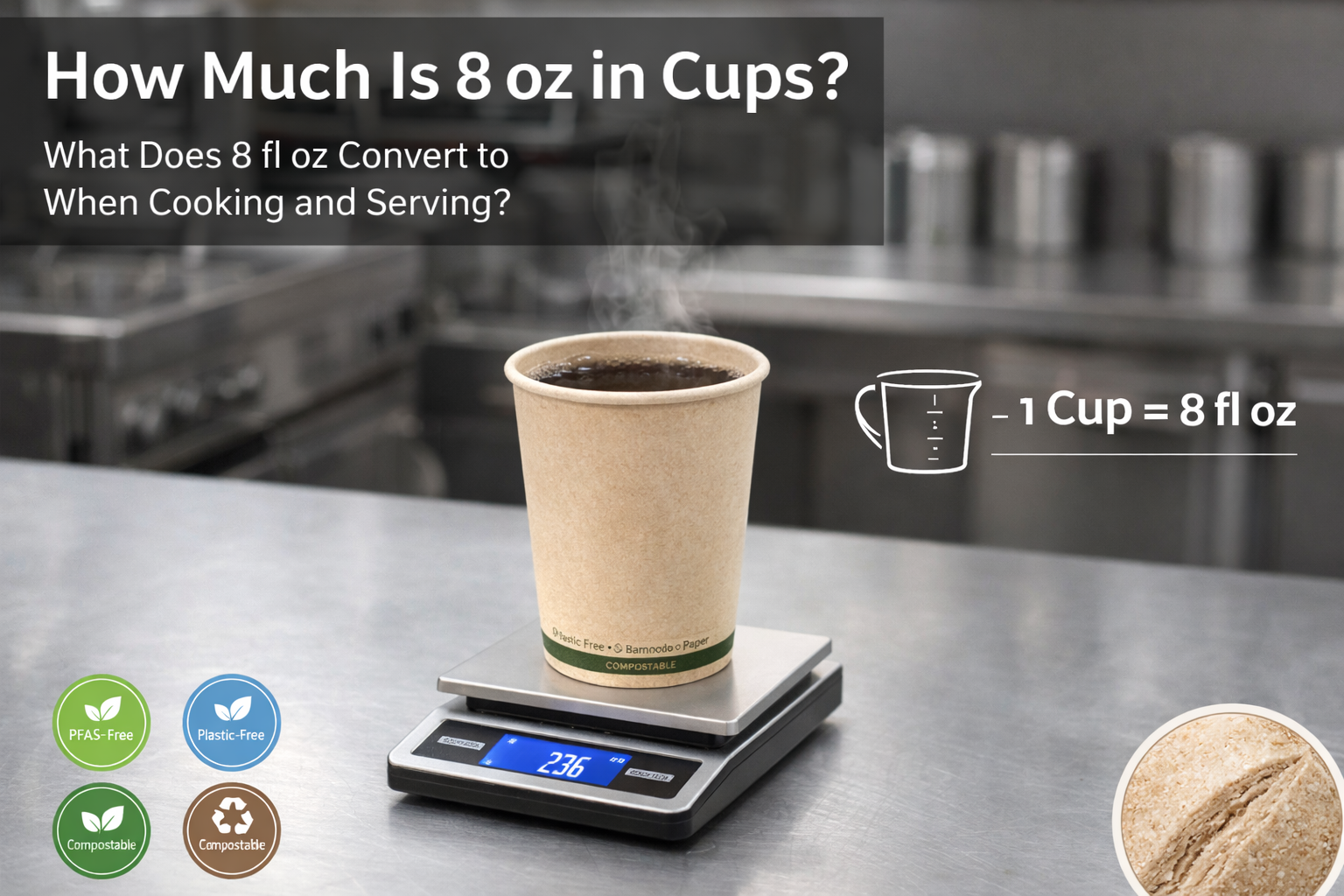
Confused about 8 oz? It’s more than just a number on your container.
8 oz equals 1 US cup for liquids, but not always for solids.
This difference can impact your recipes, packaging choices, and customer satisfaction.
What Is the Exact Conversion of 8 oz in Cups?
Need accuracy for recipes or product specs? Misconverting 8 oz can mess things up.
8 fluid ounces equals 1 cup in US and Canadian kitchen standards.
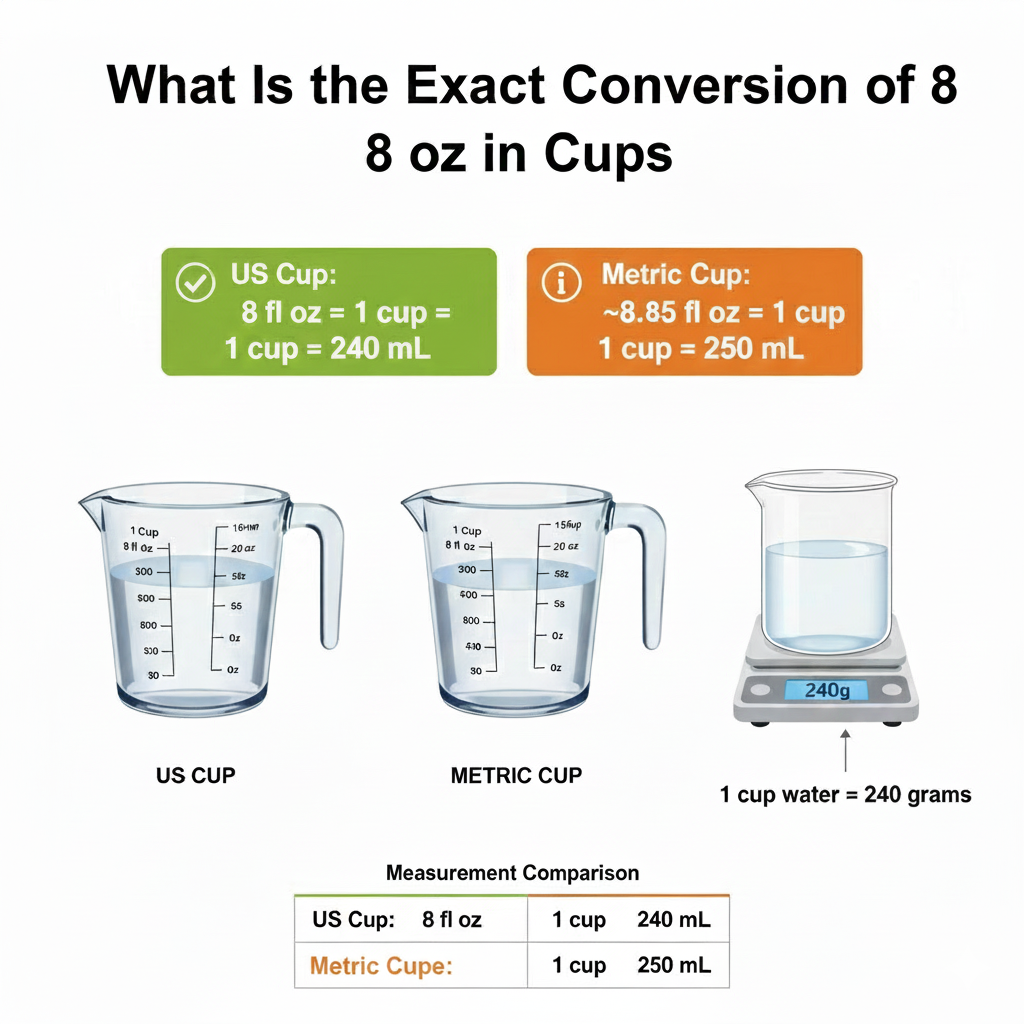
When I source food packaging or portion out ingredients in our test kitchen, I use this conversion daily. For liquids, it’s simple—8 fluid ounces equals exactly 1 cup. That’s about 240 milliliters. But when we deal with international clients or recipes written in metric, things change slightly. For example, some Canadian cookbooks use 250 mL for 1 cup. That may not sound like a big deal, but it adds up, especially in batch cooking.
📏 Measurement Comparison
| Unit | Fluid oz | Cups | mL |
|---|---|---|---|
| US Cup | 8 fl oz | 1 | 240 |
| Metric Cup | ~8.45 fl oz | 1 | 250 |
I once worked with a Canadian café chain expanding into the U.S., and they were serving smaller drinks than advertised due to this conversion difference. This mistake affected their customer feedback and portion cost calculations.
Is 8 oz Always 1 Cup for Dry Ingredients?
Think 8 oz equals 1 cup for everything? It doesn’t.
8 oz of dry items varies by density and type of ingredient.
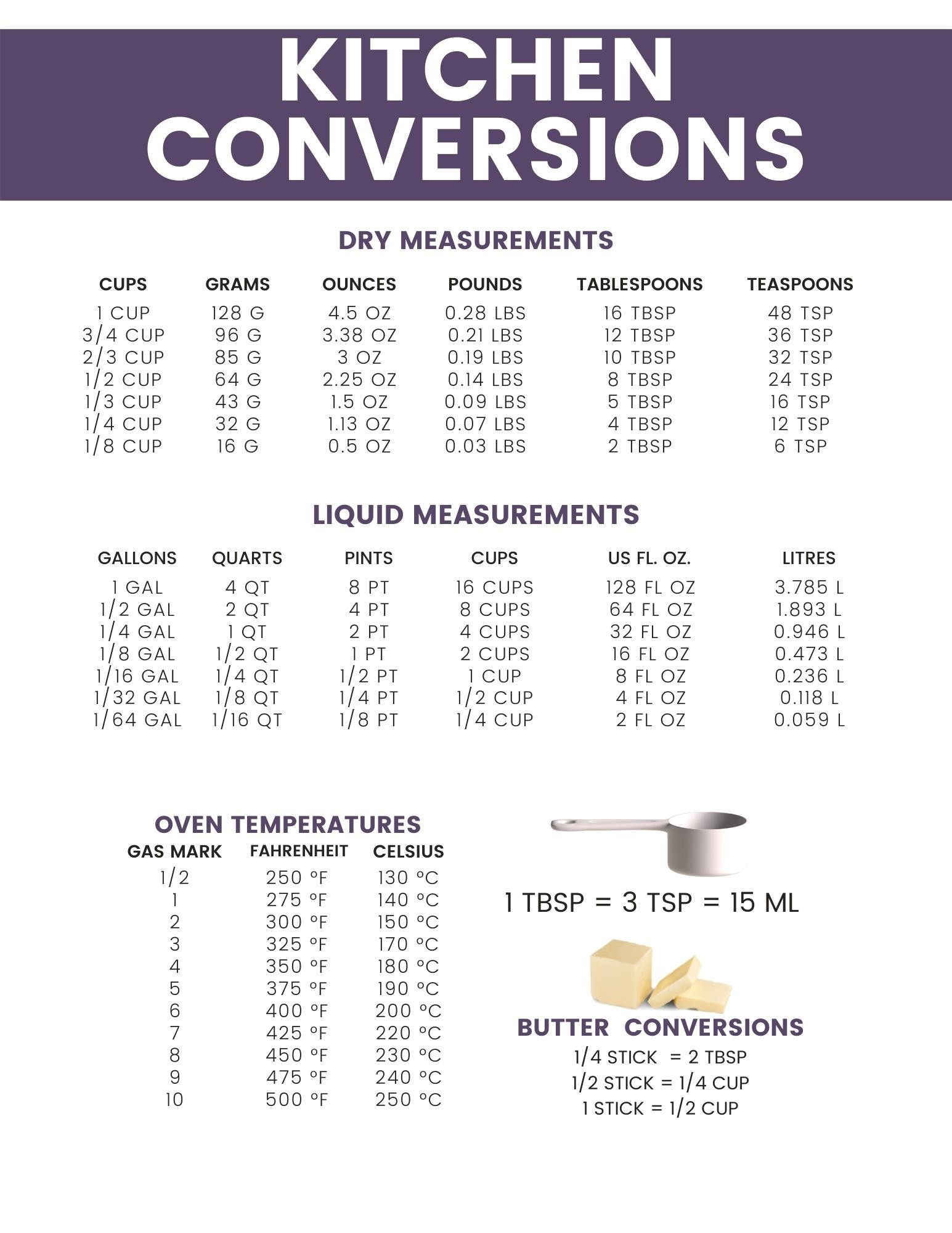
In my kitchen trials and packaging calibration, I quickly learned this rule: 8 oz by weight is not the same as 8 oz by volume. That’s especially true for dry goods like flour, cheese, and nuts. While fluid ounces measure volume, dry ounces measure weight.
🧂 Common Dry Ingredient Conversions
| Ingredient | 8 oz (weight) = Cups |
|---|---|
| All-purpose flour | ~2 cups |
| Shredded cheese | ~2 cups |
| Chocolate chips | ~1⅓ cups |
Using the wrong conversion can ruin a recipe. I’ve seen catering kitchens produce runny batters or dense muffins just because they measured 8 oz of flour like it was a liquid cup. To avoid this, I always weigh ingredients or use ingredient-specific charts. For food service businesses, this is essential to maintain quality and manage food cost accurately.
📌 Tip
Use a digital scale for dry goods. Don’t rely on cups unless your recipe specifically lists volume.
Why Should Food Businesses Care About the 8 oz Measurement?
Struggling with portion control? Misunderstanding 8 oz may be hurting your margins.
8 oz equals 1 cup for liquids, but misusing it for solids can disrupt recipes and costs.
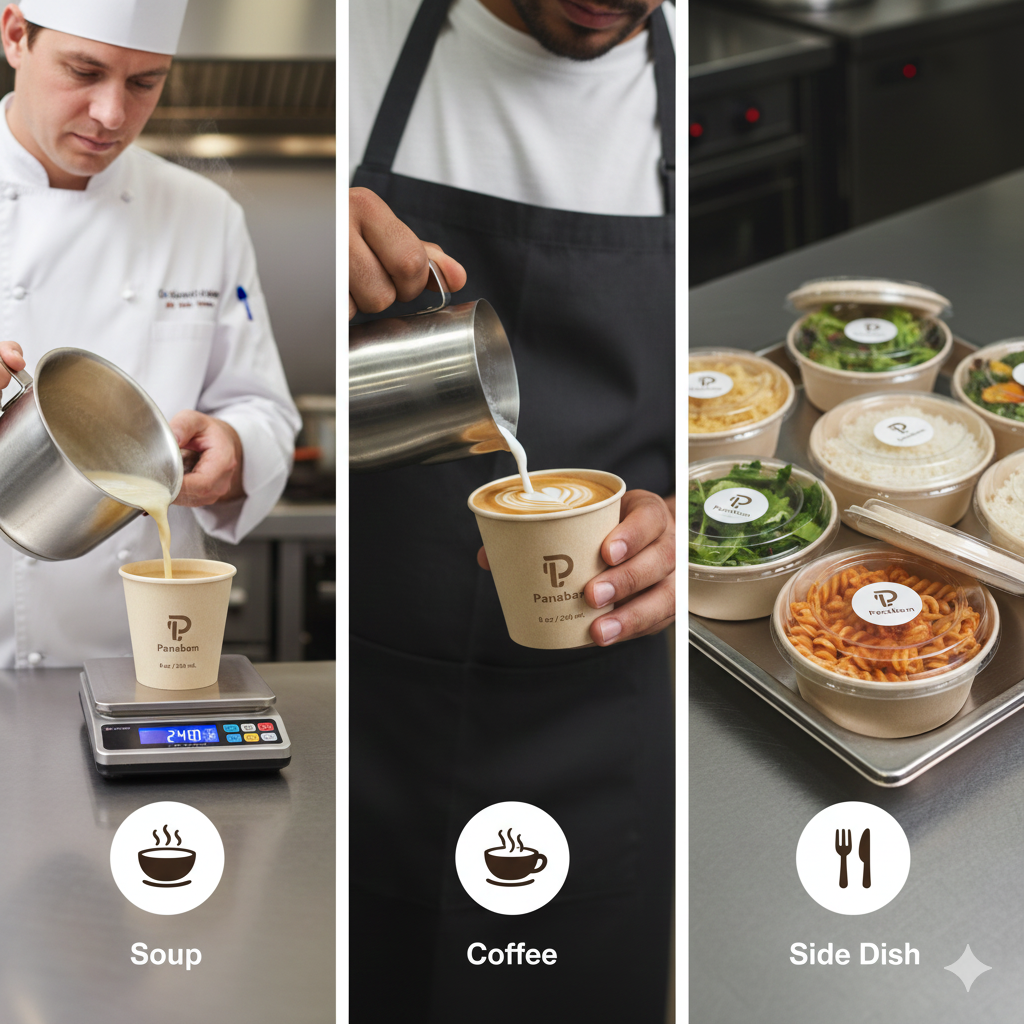
When I started designing takeout portions, I assumed 8 oz meant the same for all ingredients. I was wrong. Over-pouring soup or underfilling smoothie cups led to customer complaints and margin losses.
🍽️ Use Cases in Food Service
| Product Type | 8 oz Use Case |
|---|---|
| Soup | Single serving |
| Coffee | Small cup (kids or espresso drinks) |
| Side dish | Salad, pasta, or rice portions |
Standardizing the 8 oz portion ensures a better dining experience. Customers expect consistency—if one “8 oz” soup is full and another feels light, they’ll notice. Also, when scaling up recipes for batch cooking, knowing that 8 cups equals 64 oz lets me quickly calculate how many 8 oz portions we’ll get. That saves me time and helps control food cost.
What Does an 8 oz Cup Look Like in Real Life?
Hard to visualize 8 oz? You’re not alone.
An 8 oz cup equals about 240 mL or 240 g of water.
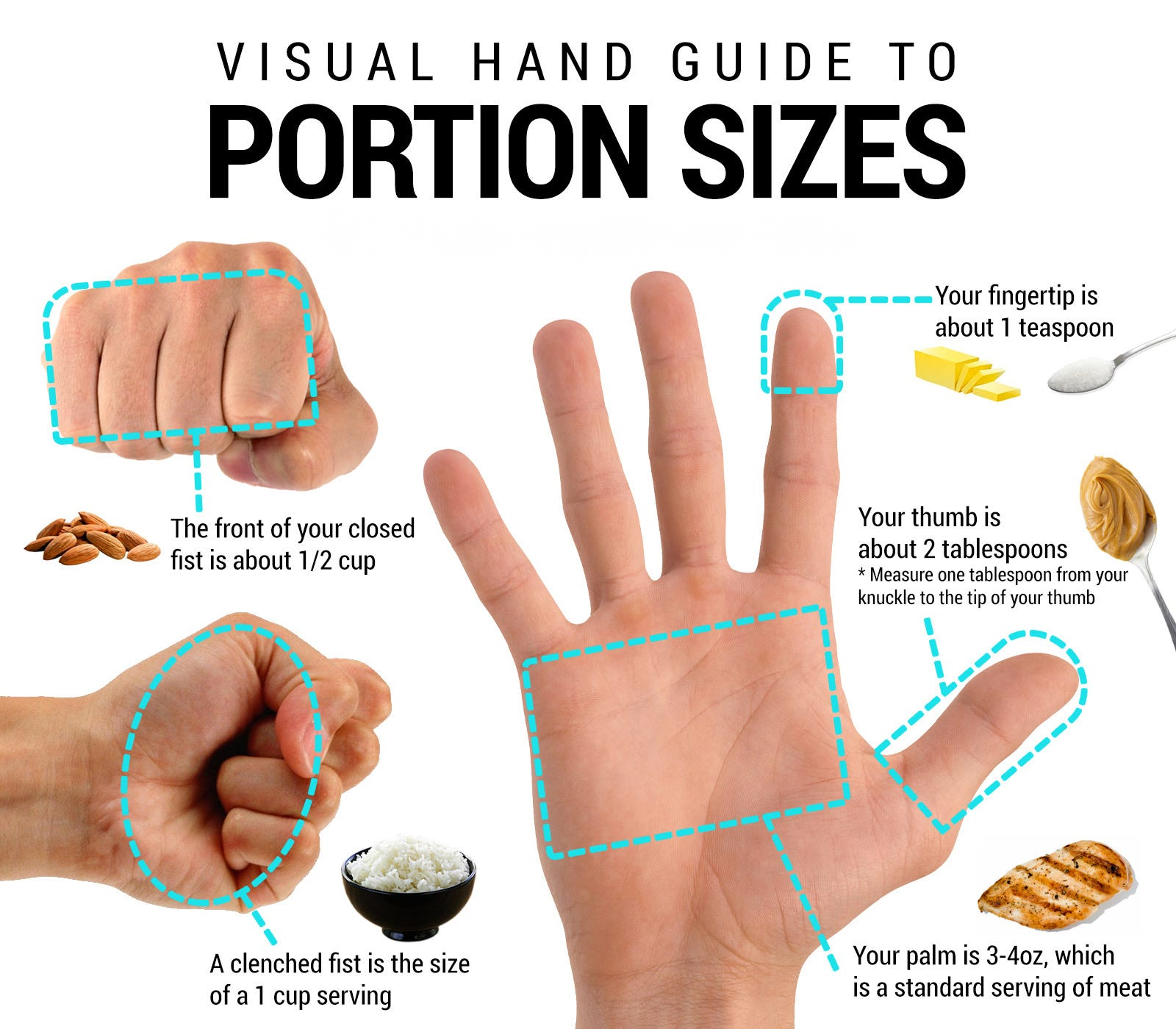
I use 8 oz containers every day for coffee, soup, and sauces. Visually, they’re about two-thirds of a regular 12 oz mug or a standard juice glass. They’re small but useful—great for kids’ drinks, side dishes, or premium single-serve items.
☕ Real-World Drink Size Comparisons
| Size (oz) | Common Use |
|---|---|
| 4 oz | Espresso, sauces, tasting portions |
| 8 oz | Small coffee, soup, dessert |
| 12 oz | Regular coffee or soda |
| 16 oz | Large drinks, iced tea, meal portions |
When designing food packaging, I always make sure that the actual container holds a true 8 oz, with a visible fill line if needed. Many suppliers advertise 8 oz, but their cups brim at that level—meaning the real “safe fill” volume is closer to 7 oz. That’s why I always confirm specs before placing an order.
Which Materials Are Best for 8 oz Disposable Cups?
Not all 8 oz cups are created equal.
Plastic, paper, and bamboo fiber each offer different pros and cons.
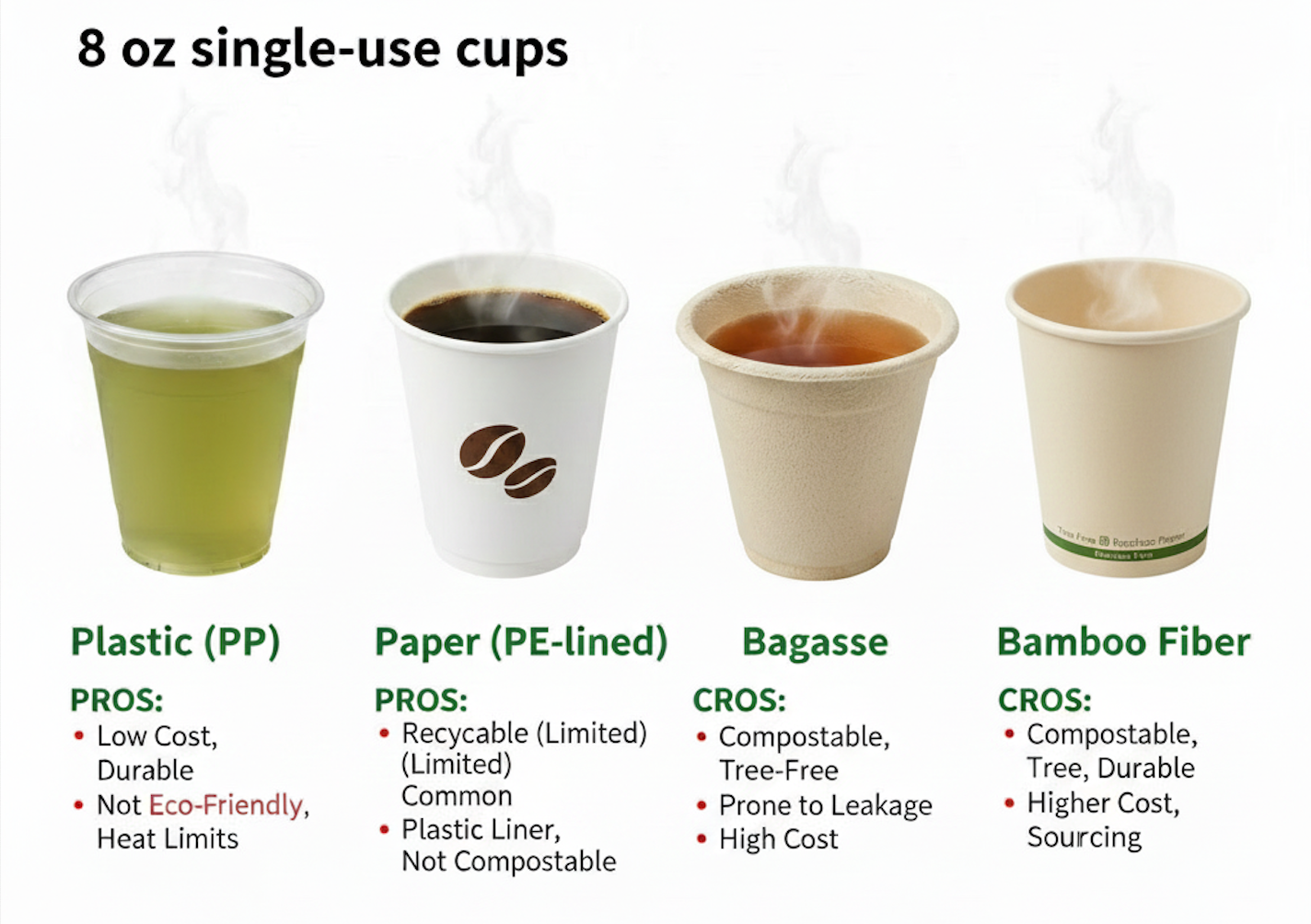
As a supplier of bamboo fiber packaging, I’ve tested all the common materials on the market. Each has its place, but sustainability, temperature resistance, and compliance are major deciding factors.
♻️ Material Comparison
| Material | Pros | Cons |
|---|---|---|
| Plastic (PP) | Cheap, strong, transparent | Not compostable, banned in many areas |
| Paper (PE) | Familiar feel | Lined with plastic, hard to recycle |
| Bagasse | Biodegradable, eco-friendly | Weak with hot or oily foods |
| Bamboo Fiber | Strong, compostable, stylish | Slightly higher cost |
Bamboo fiber works especially well for 8 oz sizes. It resists heat and holds structure even with hot soup or coffee. My clients don’t need sleeves or double-cupping, which lowers costs and waste. Plus, bamboo fiber aligns with sustainability mandates in key markets like the U.S., EU, and Australia.
🔥 Temperature Performance
Bamboo fiber cups work from -40°C to 200°C, so I use them for both hot and cold items without issues.
How Should I Choose 8 oz Containers for My Business?
Confused by specs and options? I used to be, too.
Always check actual volume, certifications, and compatibility with your food types.
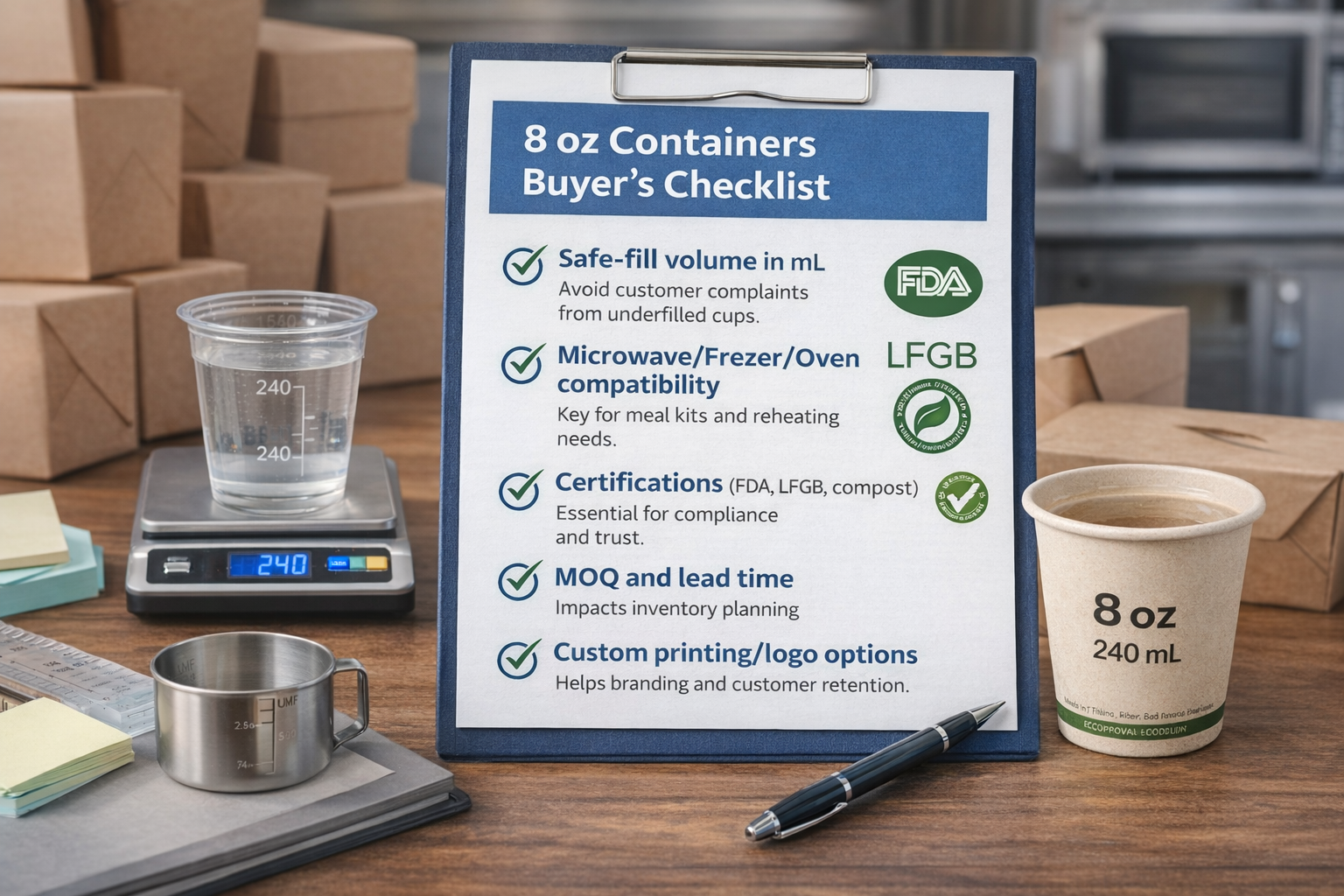
Before I standardized my packaging line, I wasted money on “8 oz” containers that barely held 7 oz. Or they cracked in the microwave. Now I use a checklist.
📝 Buyer’s Checklist
| Checkpoint | Why It Matters |
|---|---|
| Safe-fill volume in mL | Avoid customer complaints from underfilled cups |
| Microwave/Freezer/Oven compatibility | Key for meal kits and reheating needs |
| Certifications (FDA, LFGB, compost) | Essential for compliance and trust |
| MOQ and lead time | Impacts inventory planning |
| Custom printing/logo options | Helps branding and customer retention |
When I talk to new clients like Zack from the U.S., they often ask about cost and quality first. But I guide them to also look at logistics, materials, and regulatory fit. That’s what builds long-term supply relationships.
FAQ: 8 oz to Cups – Quick Buyer Questions
How much is 8 oz in cups?
8 fluid ounces = 1 US cup ≈ 240 mL.
How much is 8 oz in cups in Canada?
Most kitchens and cafés use US measures, so 8 oz = 1 cup remains accurate.
How much is 8 oz of water?
It equals 1 cup, or roughly 240 grams by weight due to water’s density.
How many cups is 8 oz dry?
It depends. 8 oz of flour ≈ 2 cups; chocolate chips ≈ 1⅓ cups; shredded cheese ≈ 2 cups.
What does 8 oz of water look like?
One measuring cup filled to the top, or about two-thirds of a 12 oz mug.
What can I use to measure 8 oz?
Use a liquid measuring cup or a digital kitchen scale (weigh about 240 g of water).
Are US and Canadian ounces the same?
Yes, both follow US fluid ounce standards in kitchen and food service use.
How many 8 oz cups are in a gallon?
There are 16 cups of 8 oz in 1 gallon (128 oz total).
Is an 8 oz cup considered small, medium, or large?
It is typically a small size for hot drinks or kids’ beverages in food service.
Can I serve hot soup or coffee in an 8 oz bamboo fiber cup?
Yes, as long as the cup is certified for hot liquids and leak-resistant.
Are compostable 8 oz cups more expensive than plastic, and is the switch worth it?
Yes, the unit price is higher, but it reduces plastic compliance risks and supports brand sustainability goals.
Can PANABAM supply 8 oz cups with matching lids, trays, and other containers?
Yes, we offer a full line of bamboo fiber packaging in 4/8/12/16 oz formats with lids and trays.
Conclusion
8 oz equals 1 cup for liquids, but packaging choices need more than just math.